What We Grow
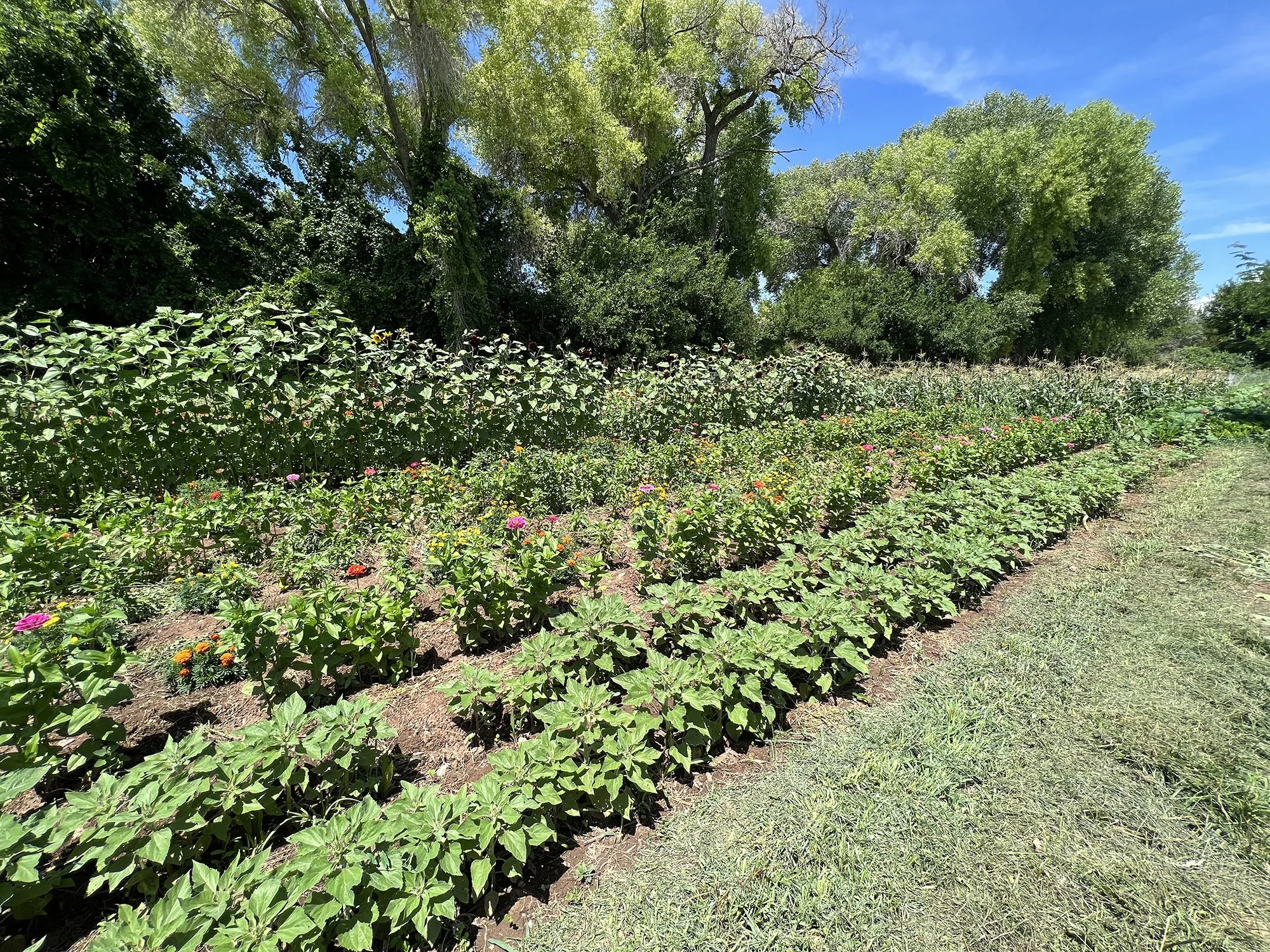
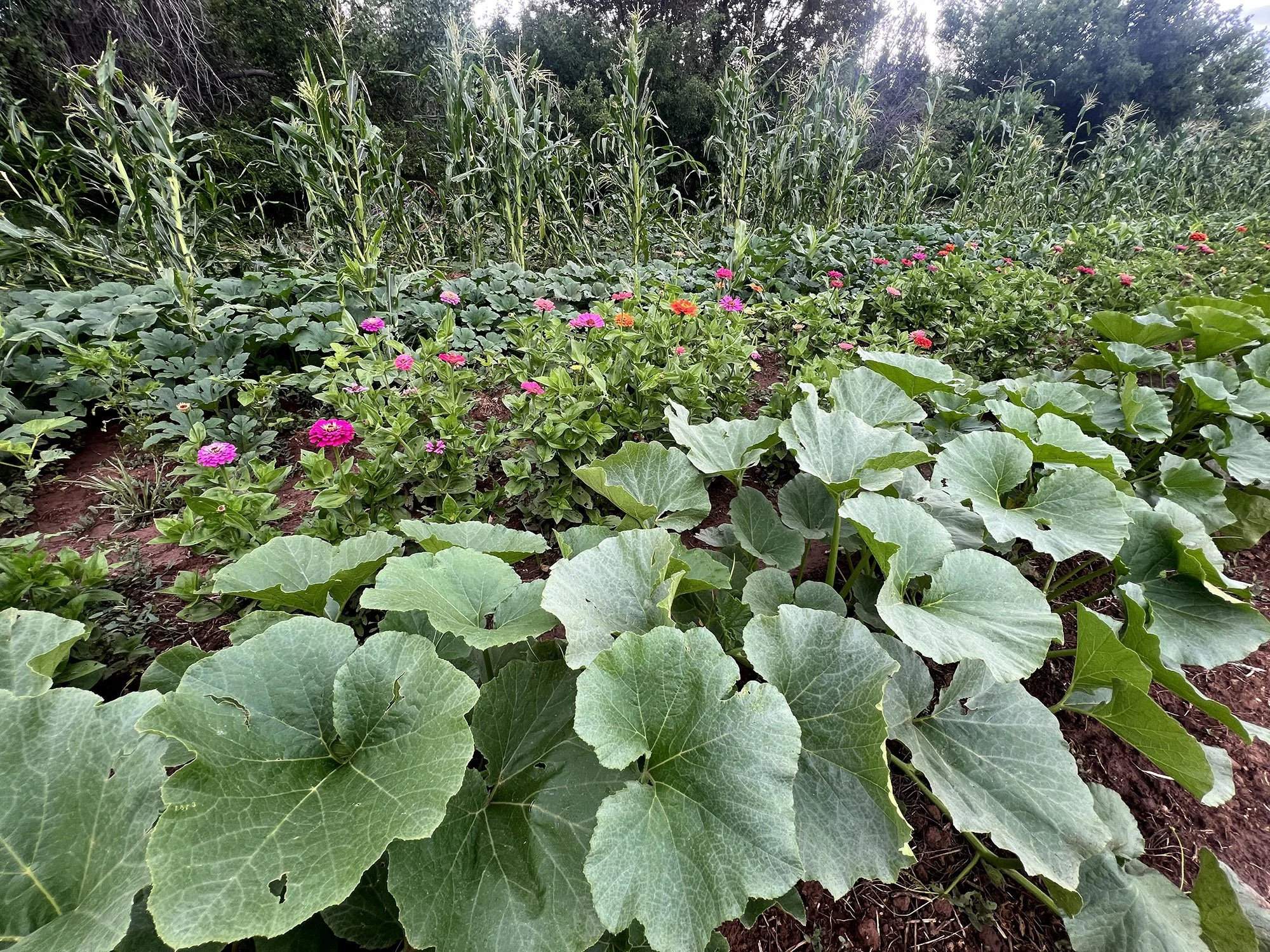
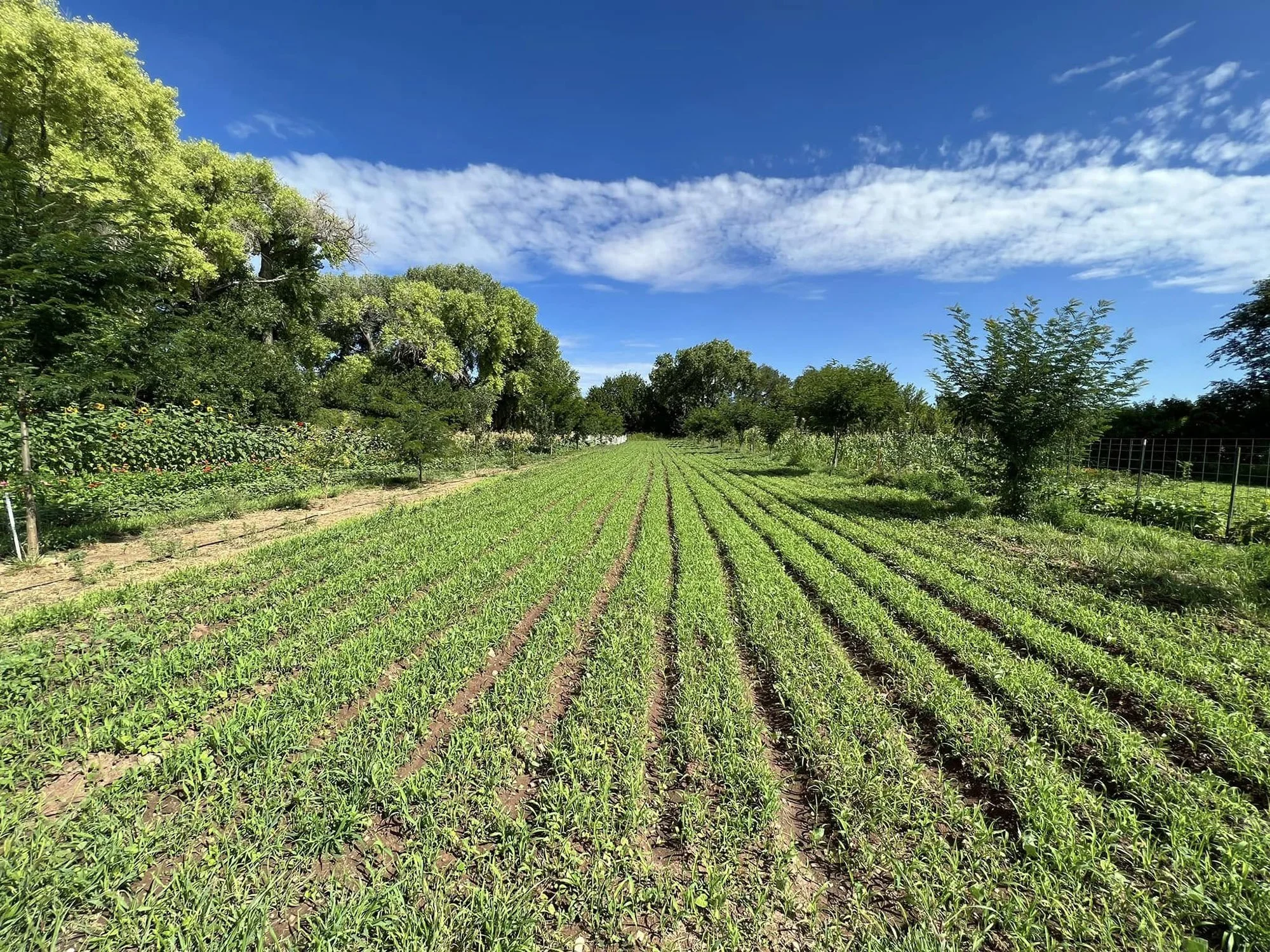
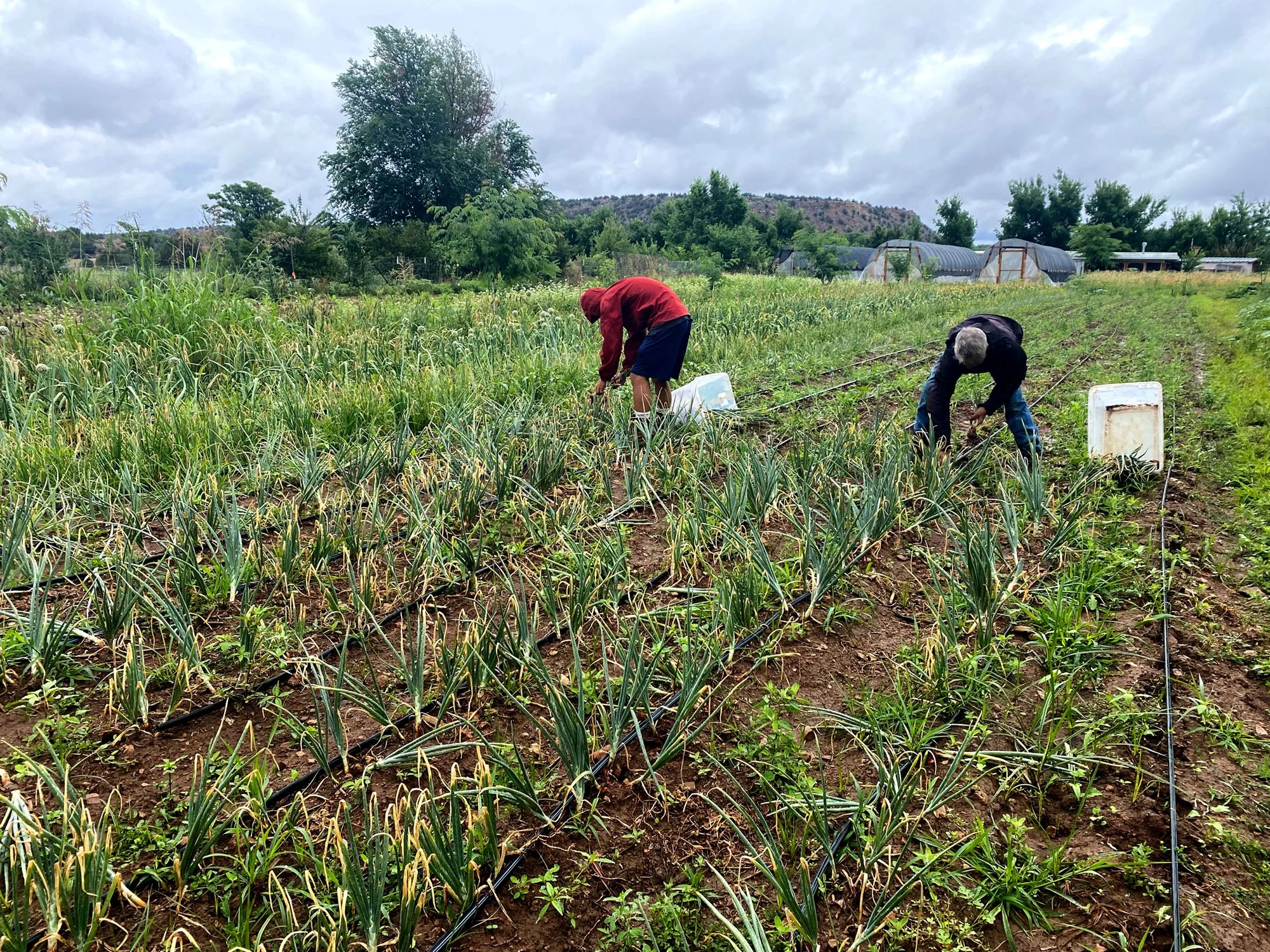
We are a diversified farm growing a variety of specialty vegetables, fruits, experimental crops, trees, green manure, and forage. We are proud to say that almost all of our market crops are grown from our own farm saved seeds and many trees are grafted from local historic varieties. We began doing on-the-farm plant breeding, selections, and seed saving in 2010 when our neighbor started gifting us seeds. Ever since then, our farm has thrived on the adaptation and resilience that seed saving carries forth from generation to generation. Sheep, ducks, chickens, and turkeys are also important contributors to the health of our farm, cycling fertility back into our fields.
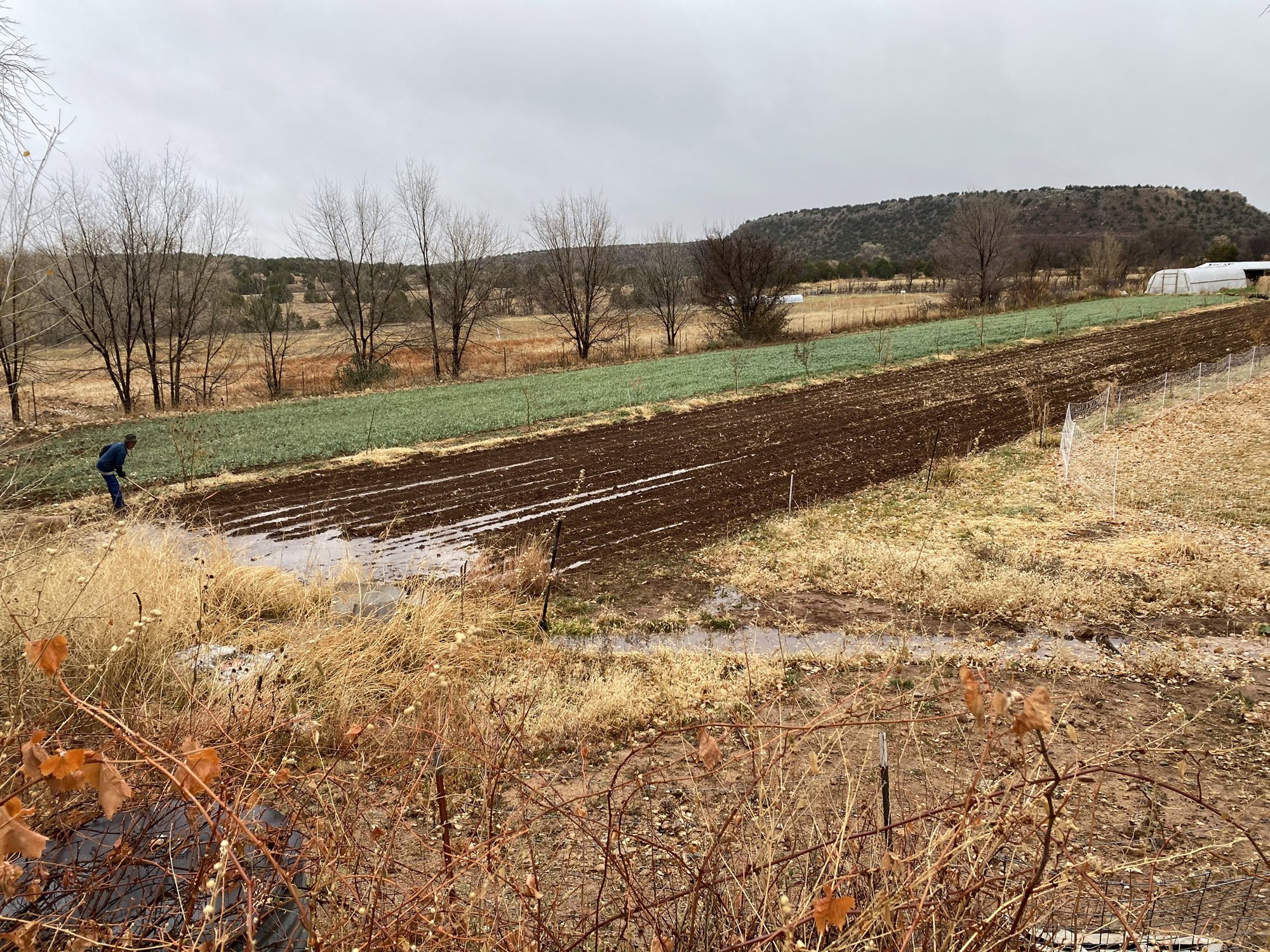
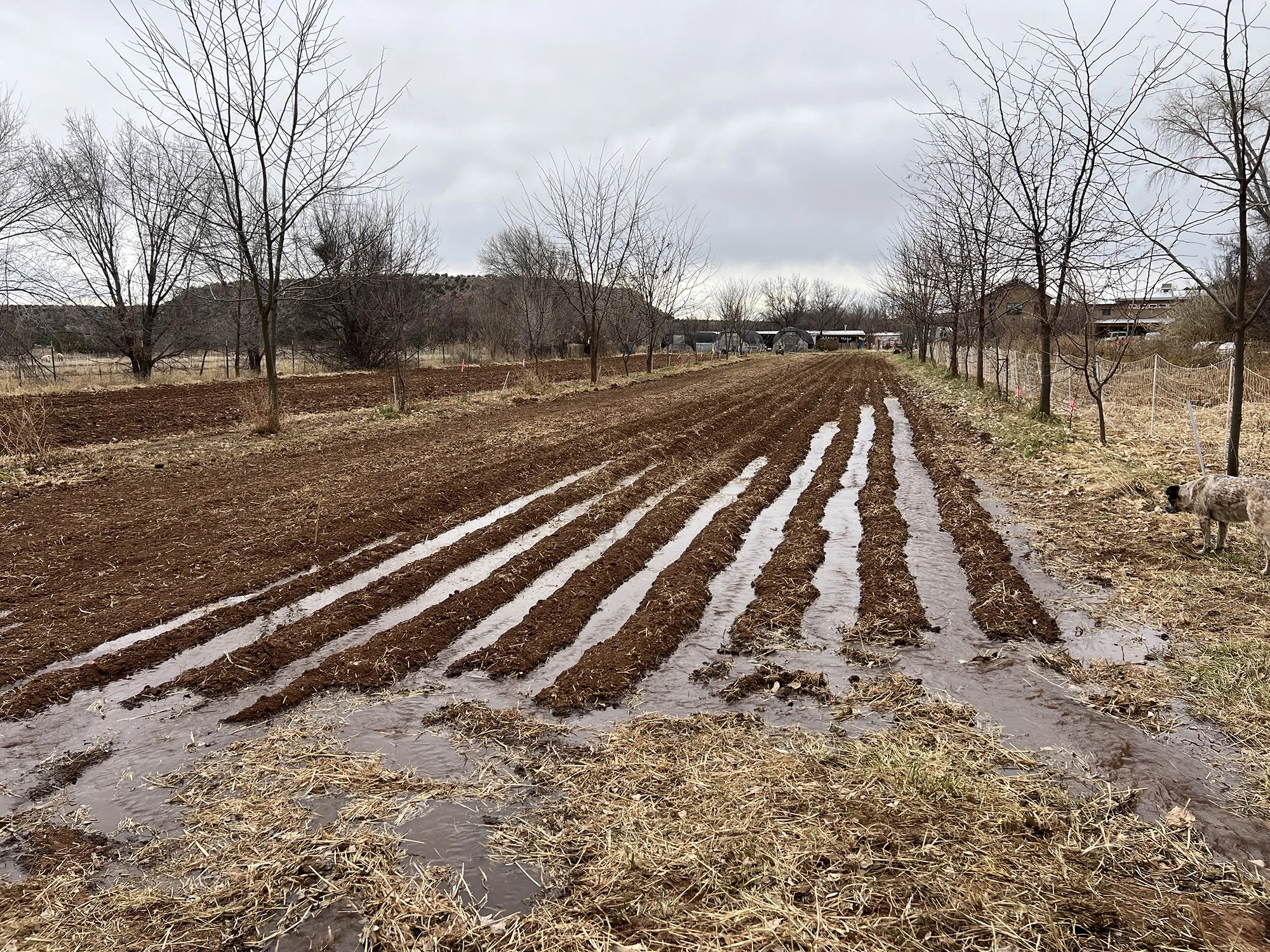
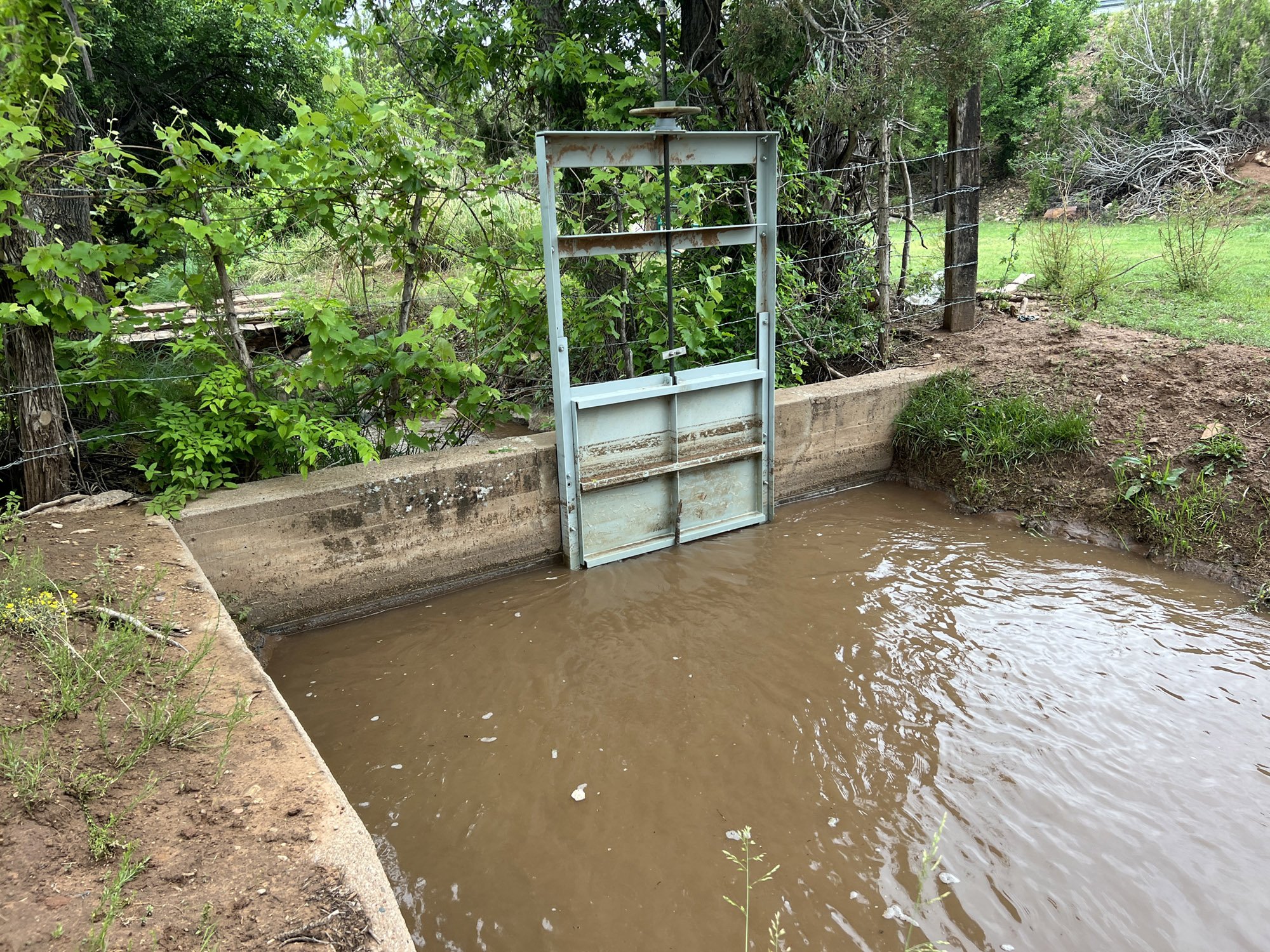
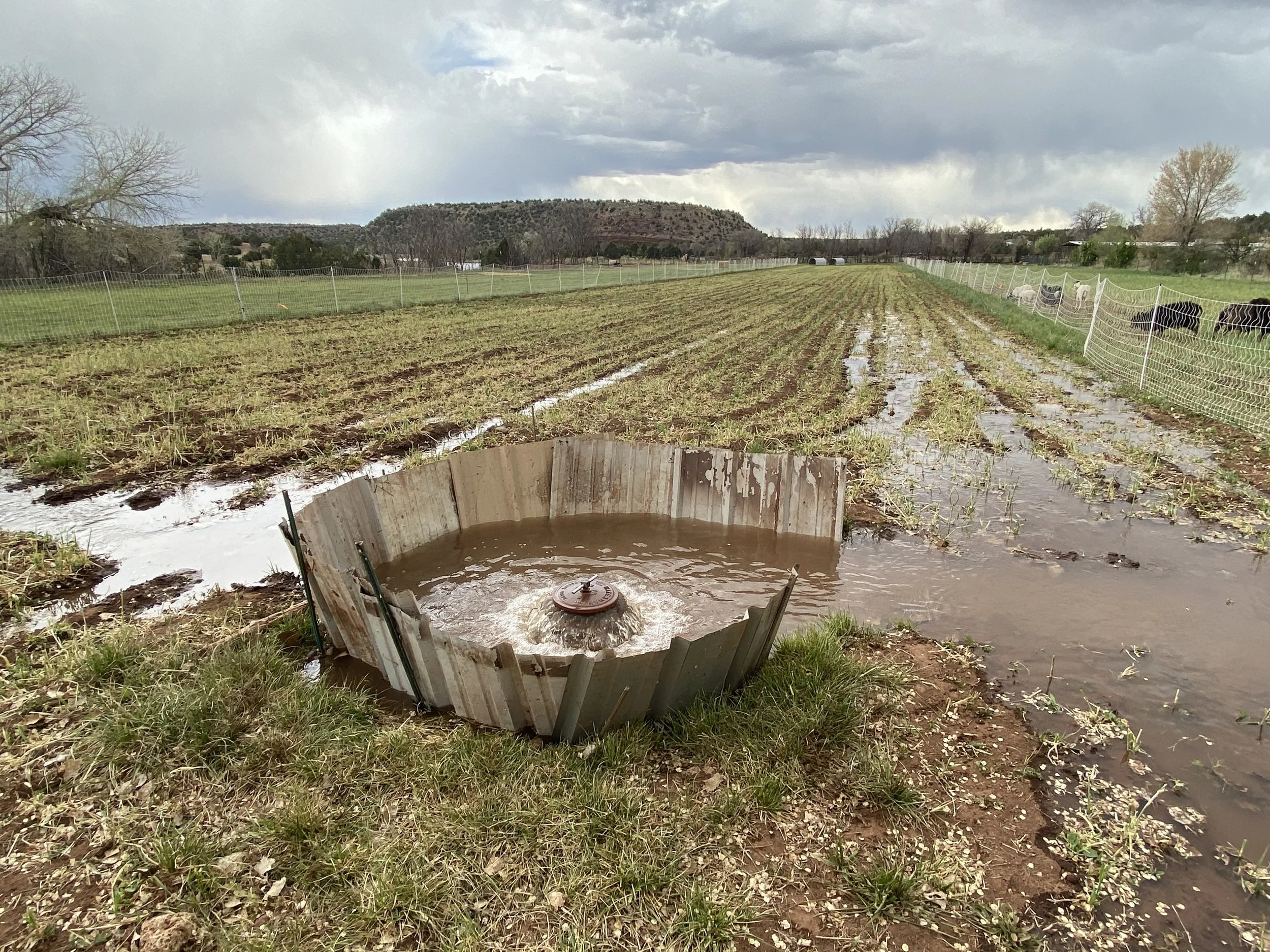
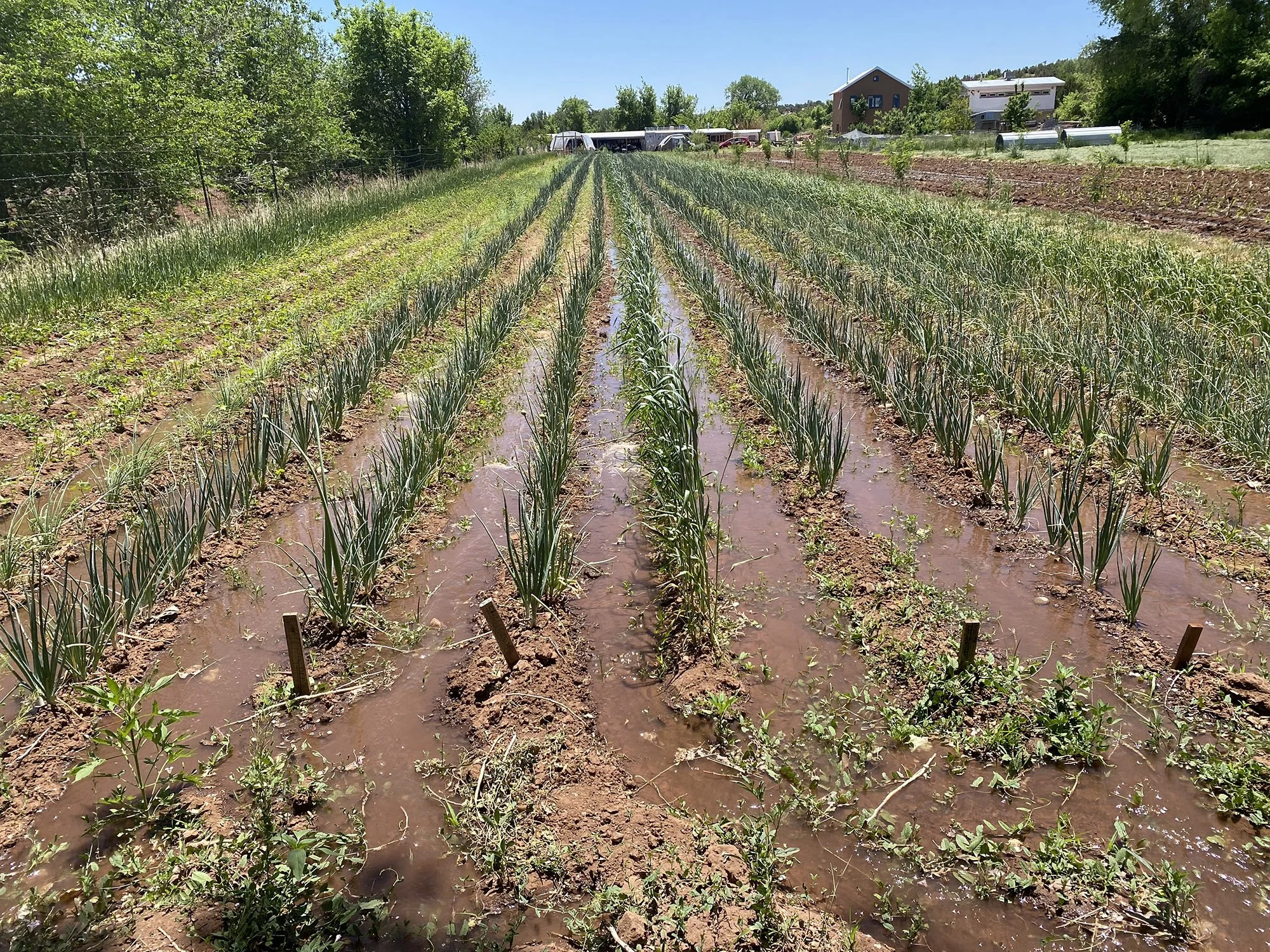
We use what we call “beyond-organic” methods prioritizing soil, plant, food, people, and environmental health over the use of chemical, harmful. and extractive methods. We are parciantes on the Acequia de los Ranchitos, which is a historic irrigation ditch off the Pecos River. The acequia was hand dug by the original Anton Chico community members in the mid 1800’s. This is the main water source for our farm. We irrigate from the acequia to water our crops, pastures, and orchards.
El Aqua es Vida!
-
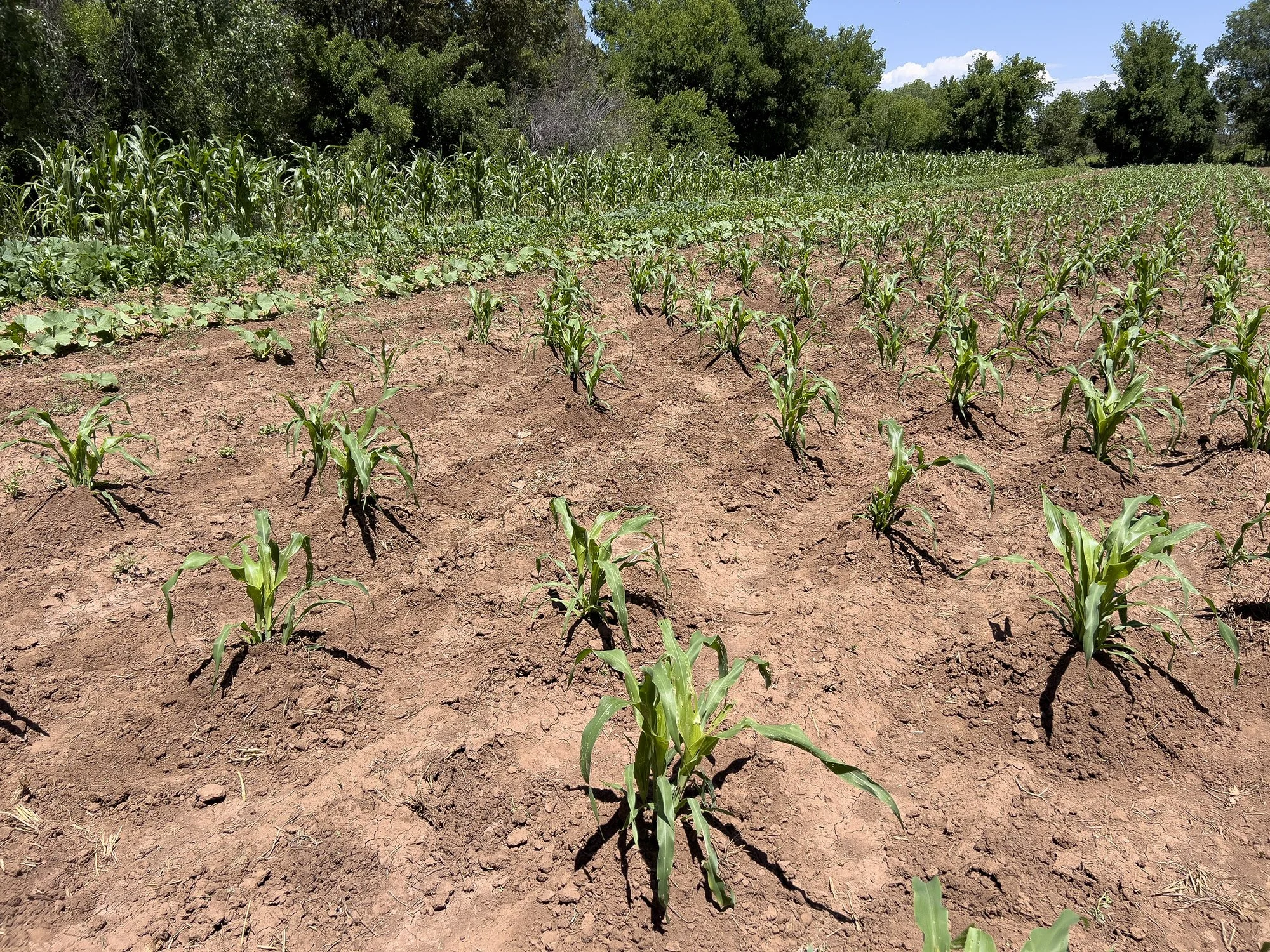
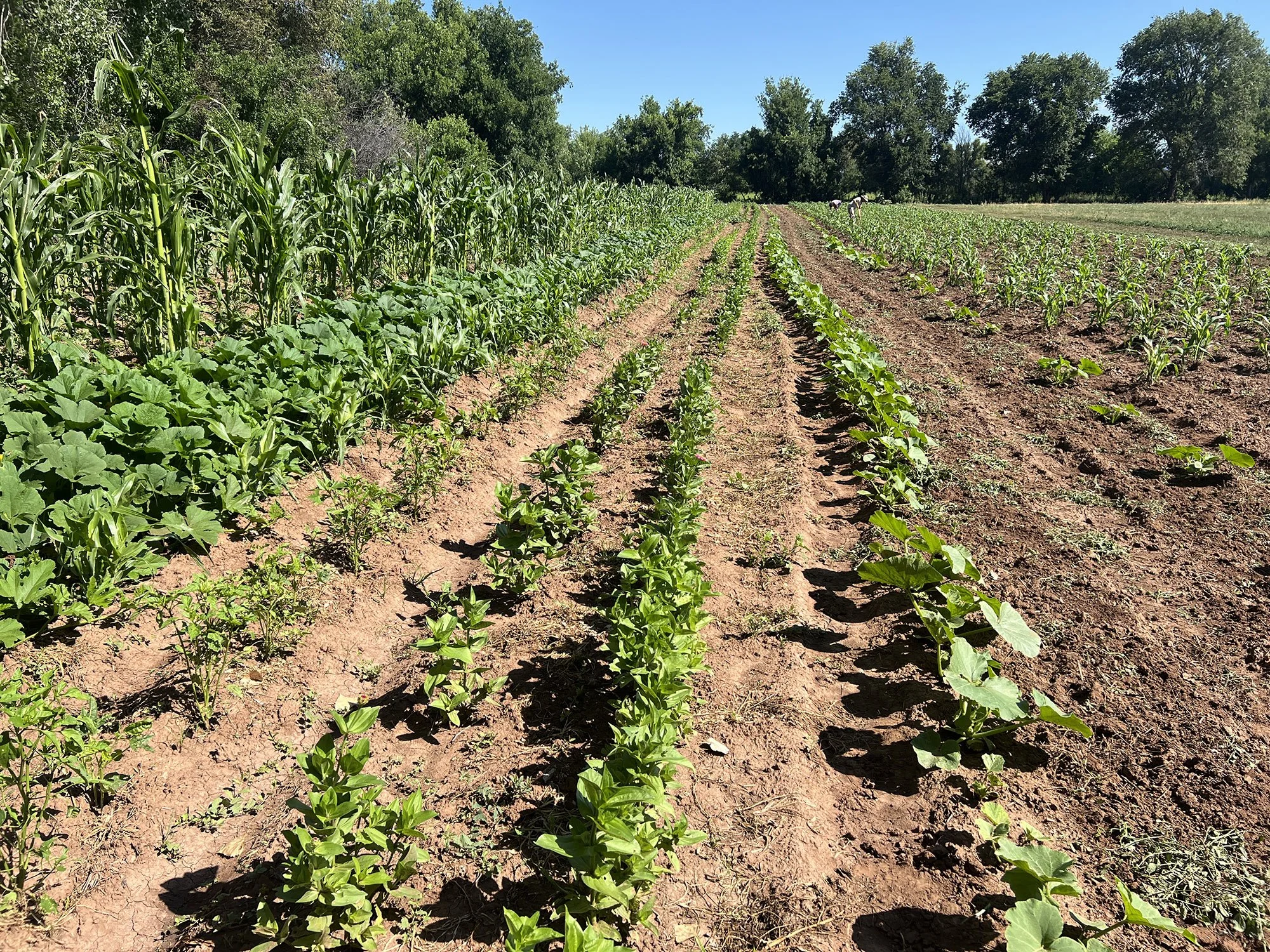
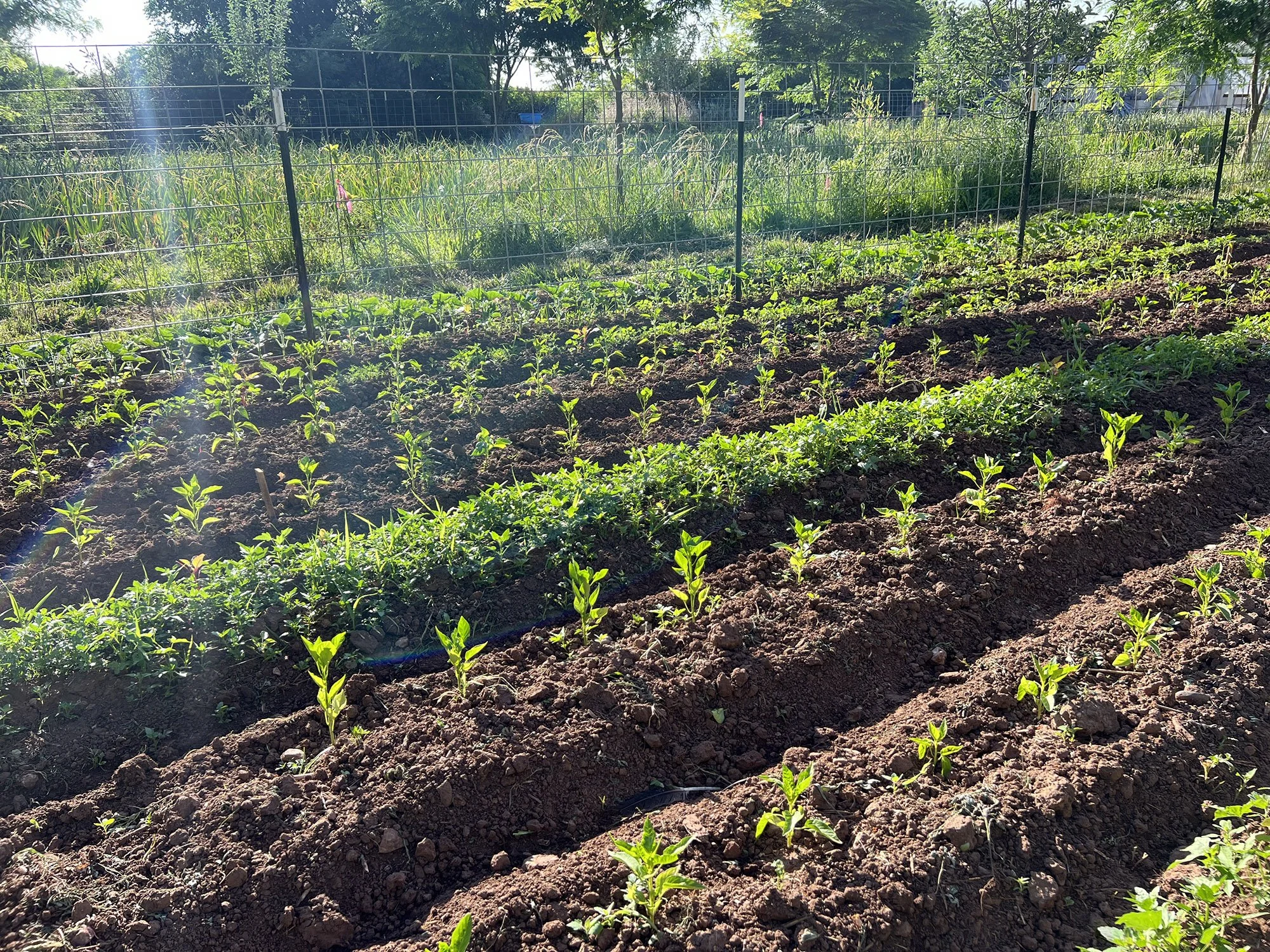
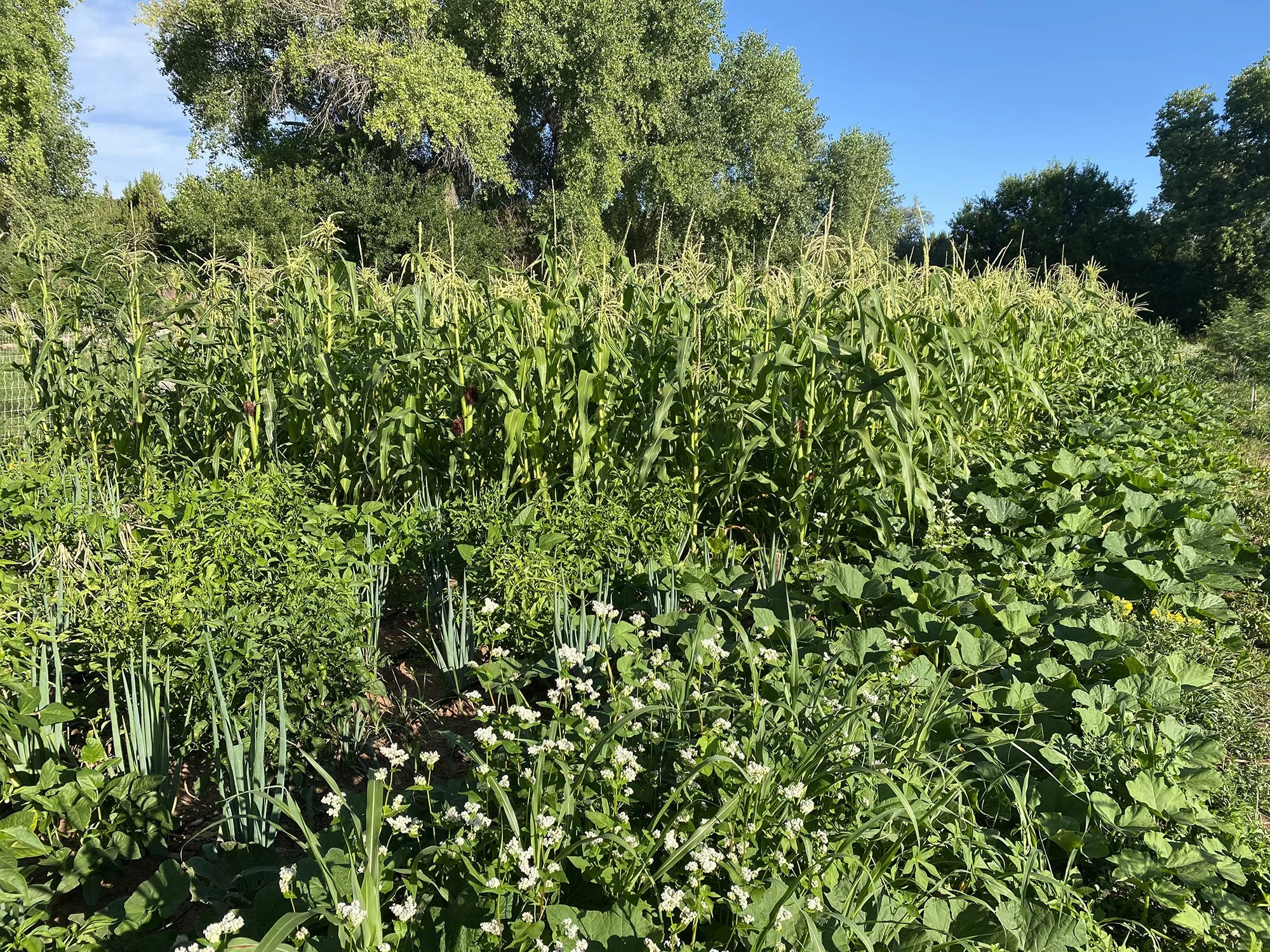
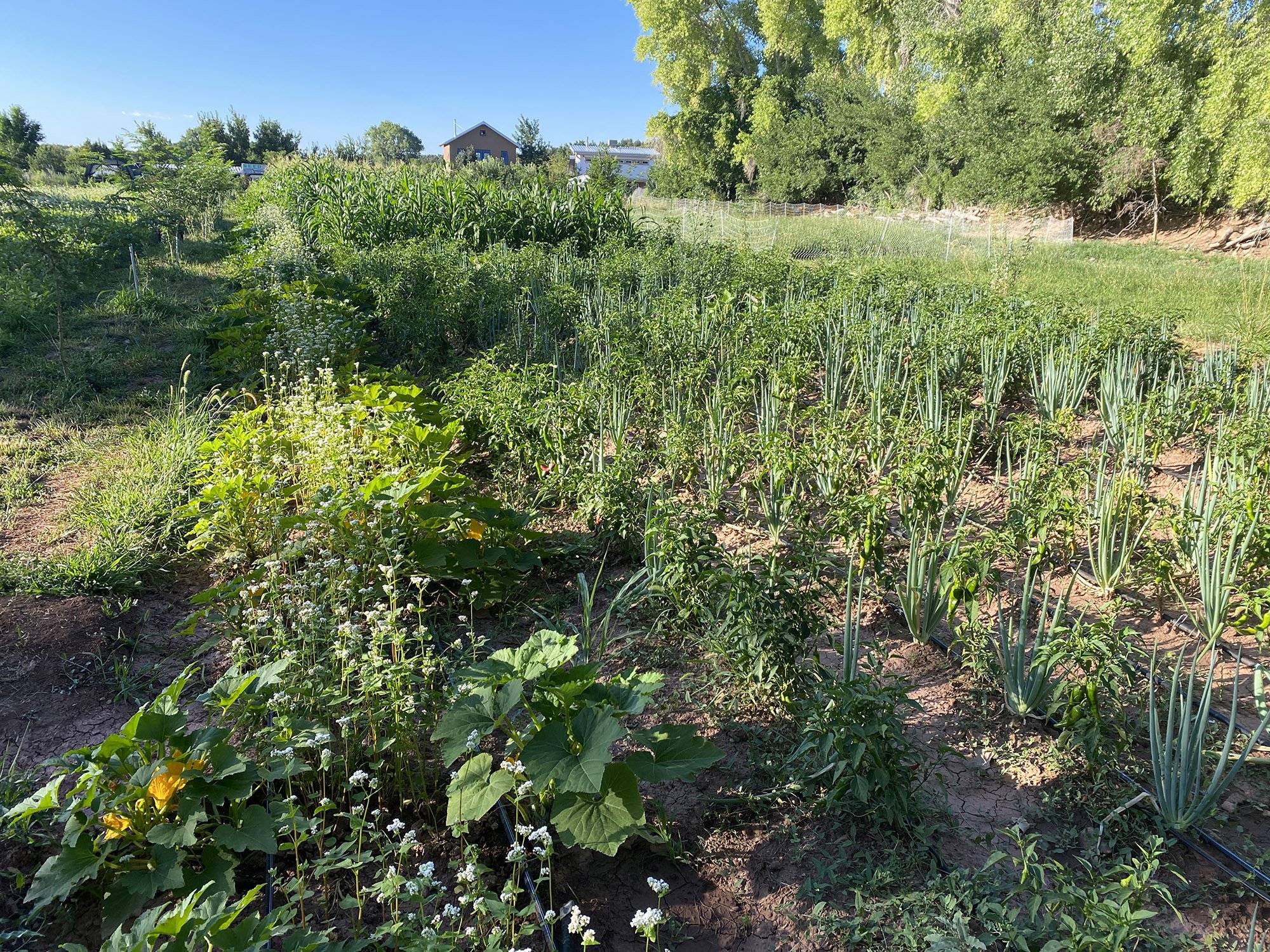
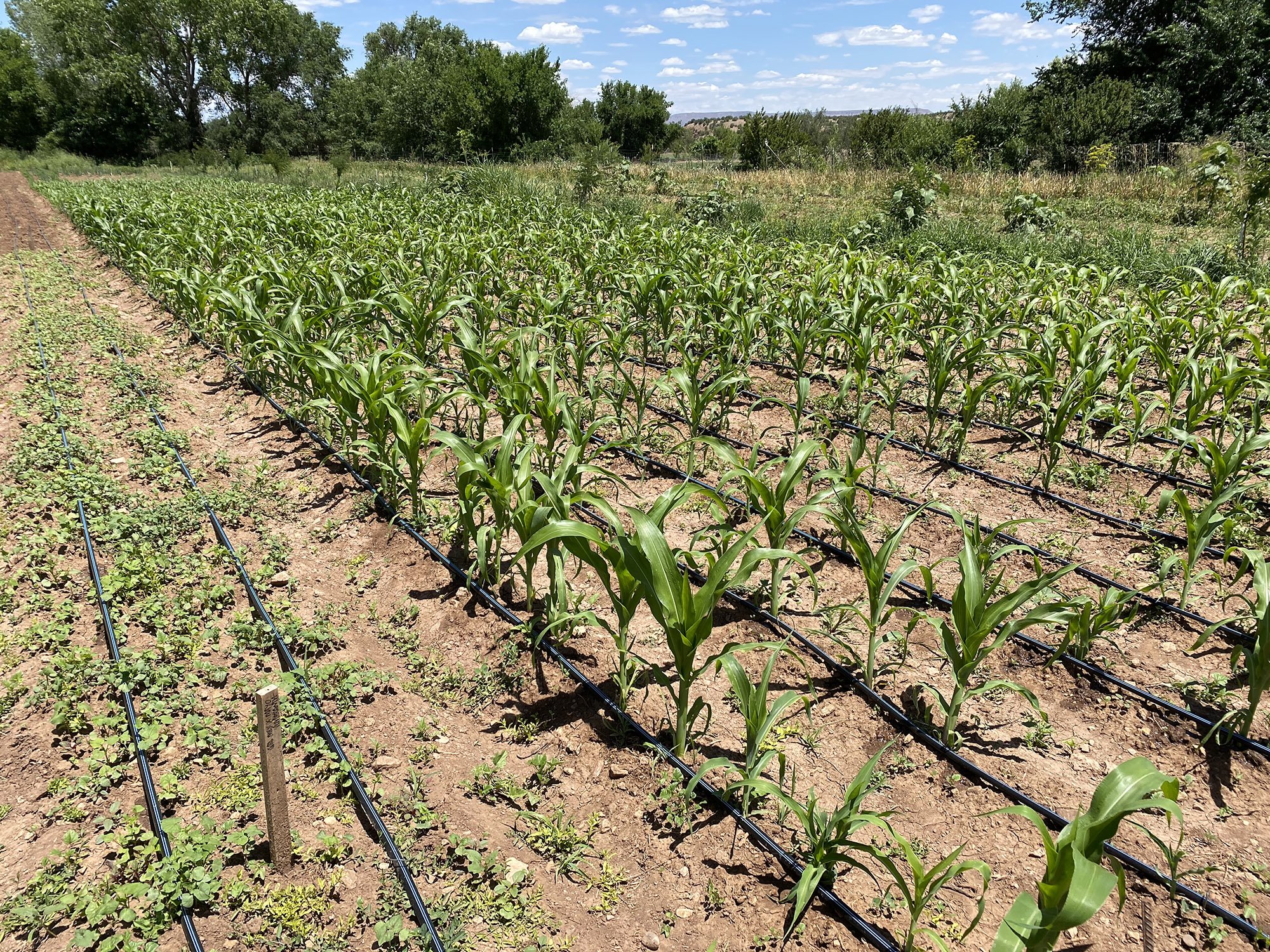
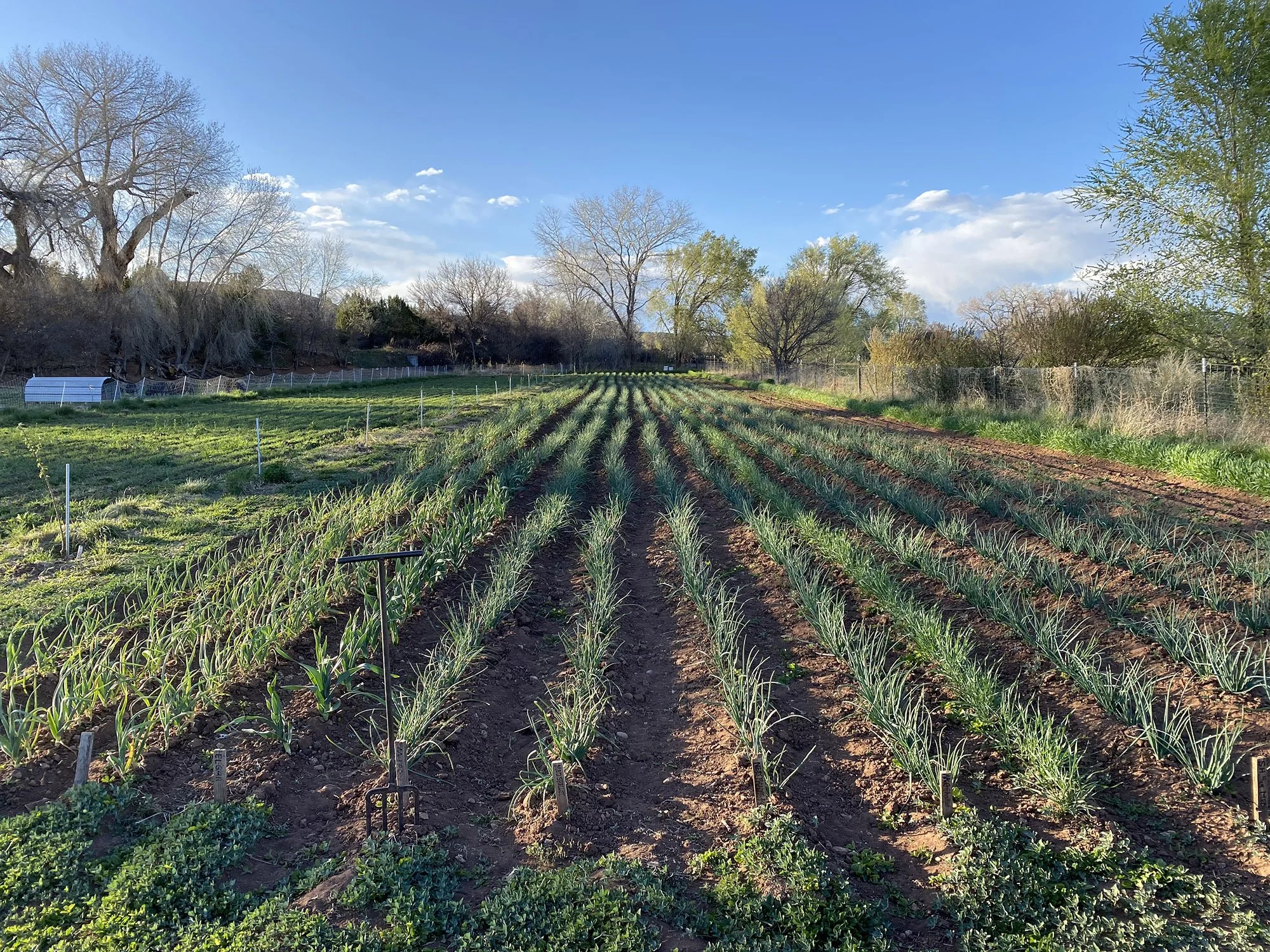
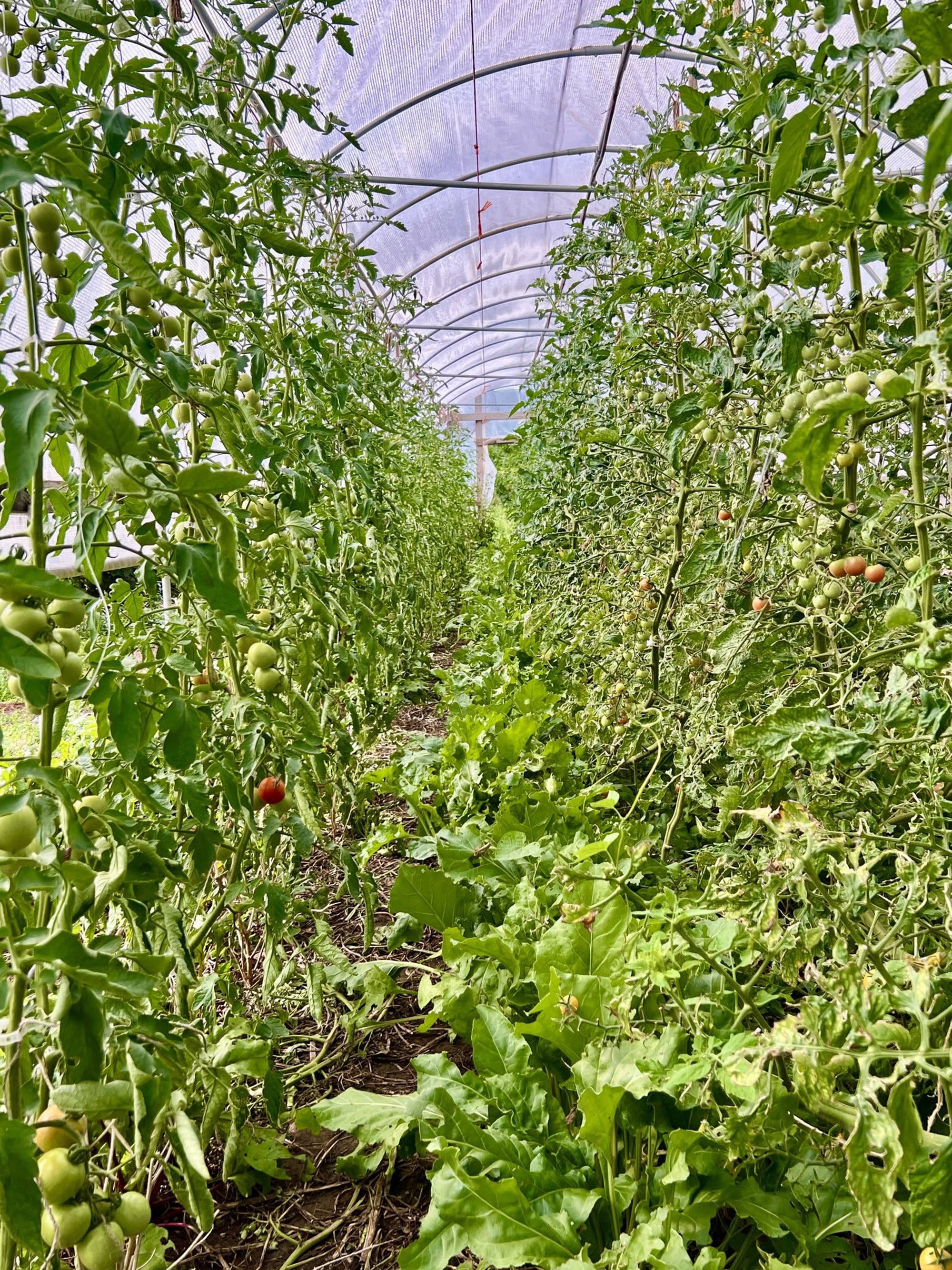
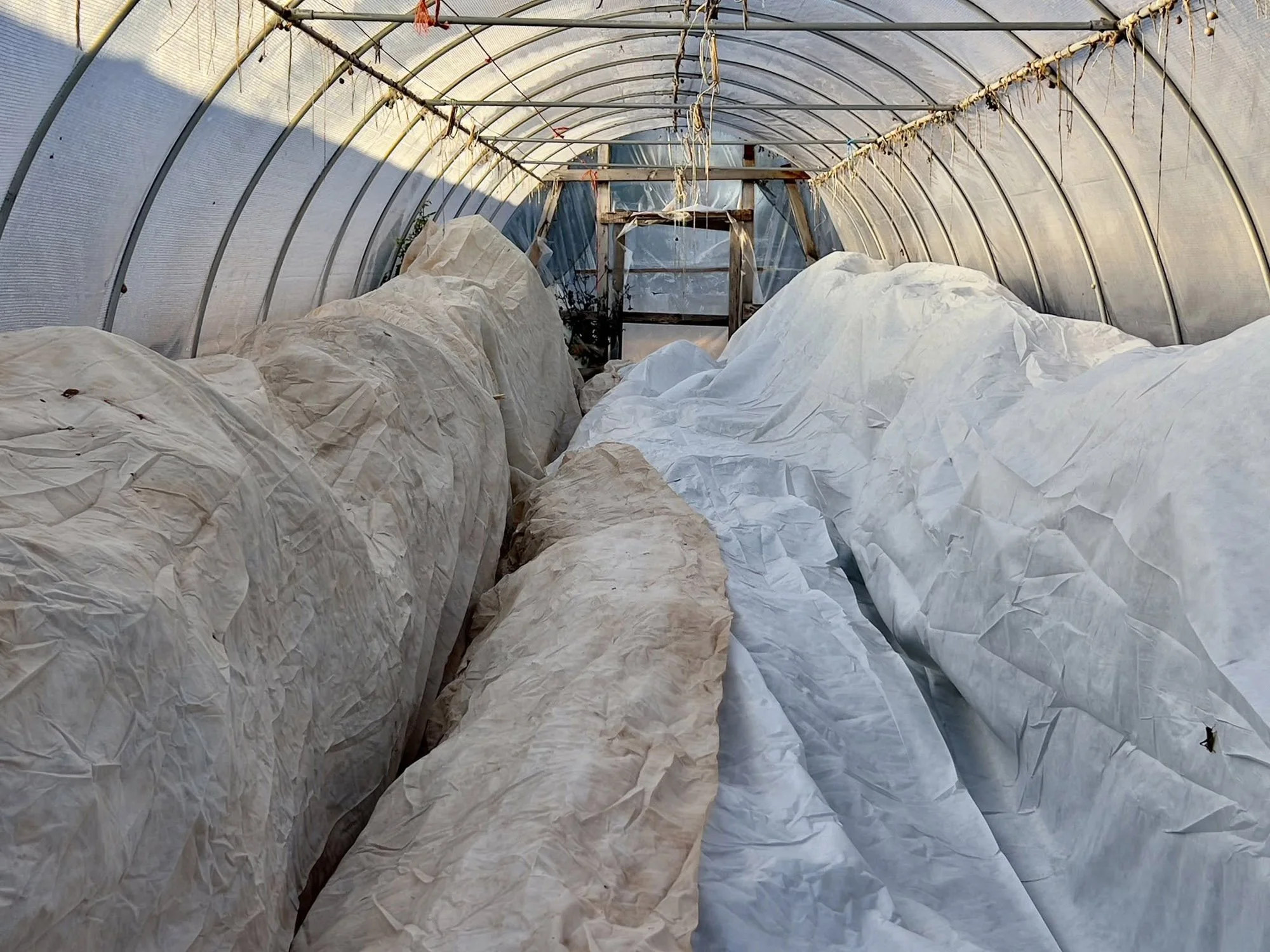
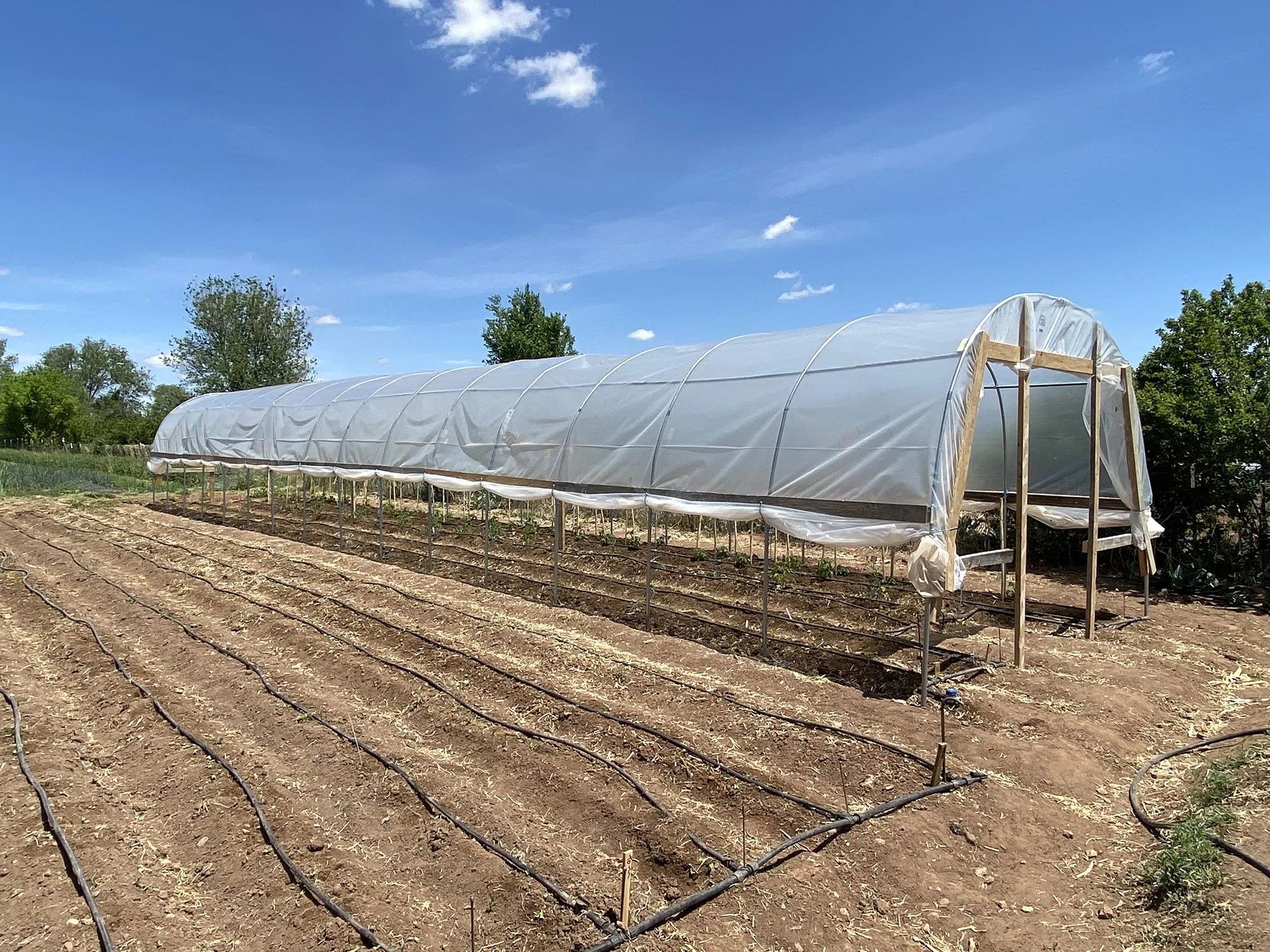
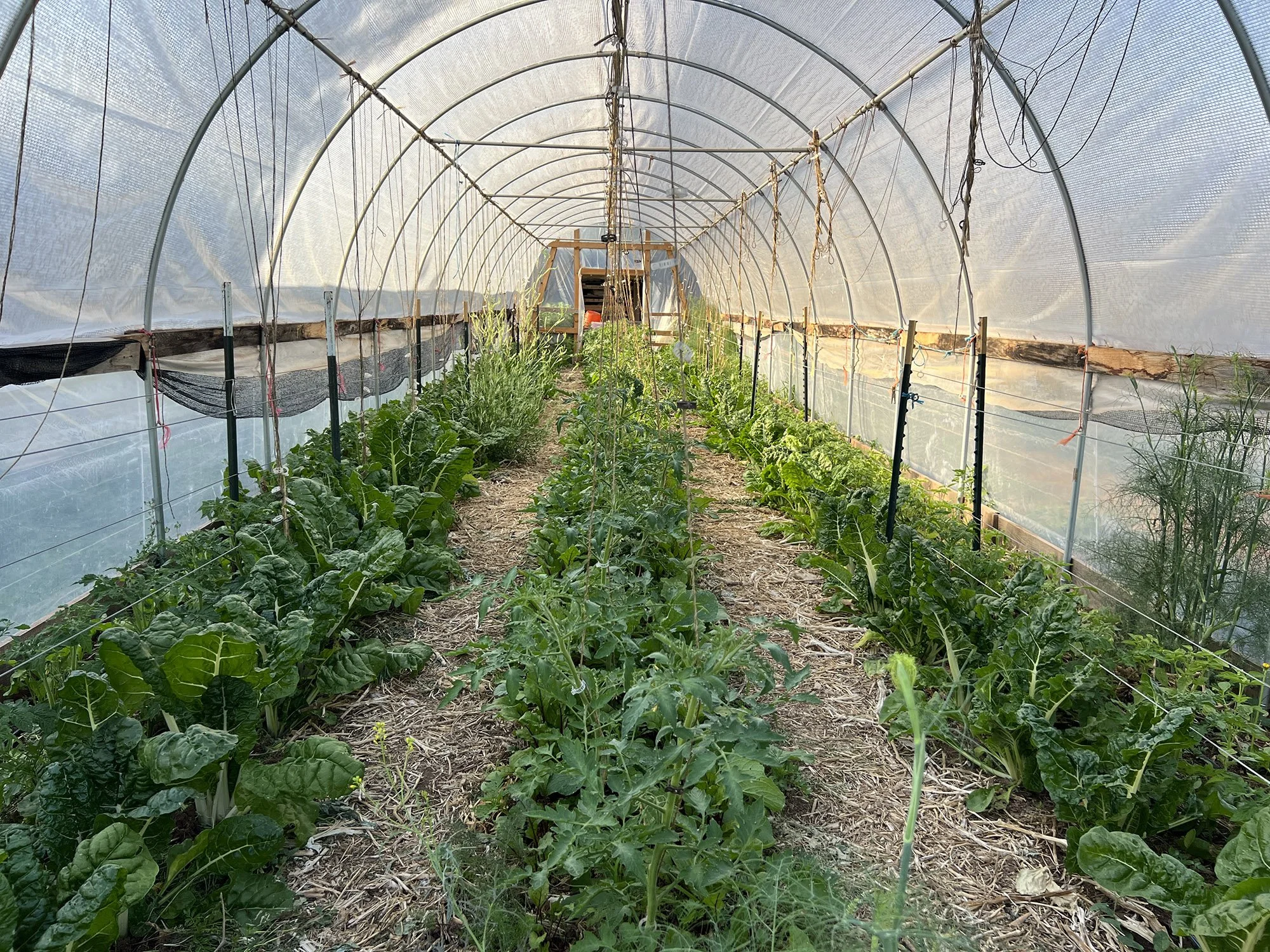
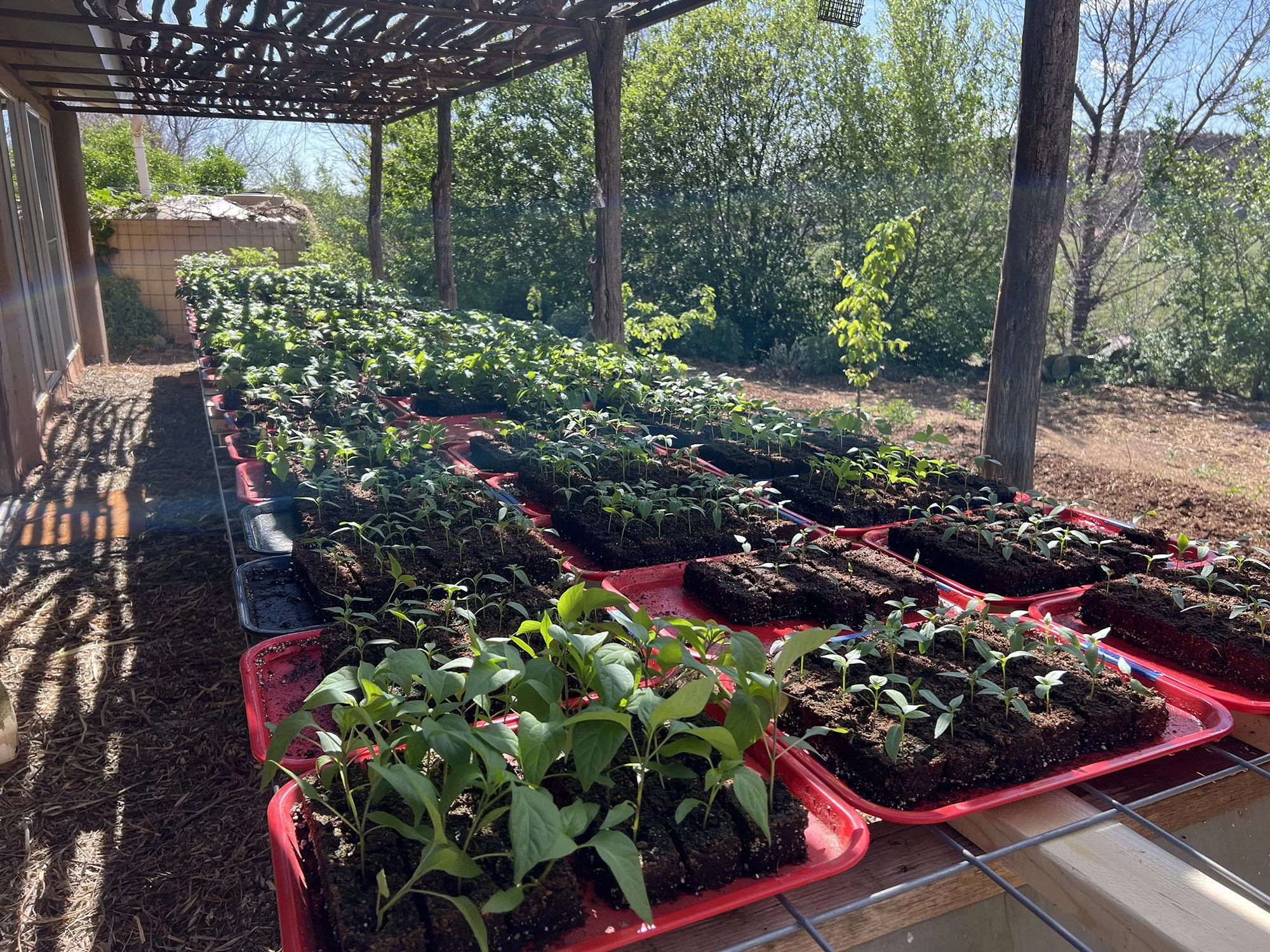
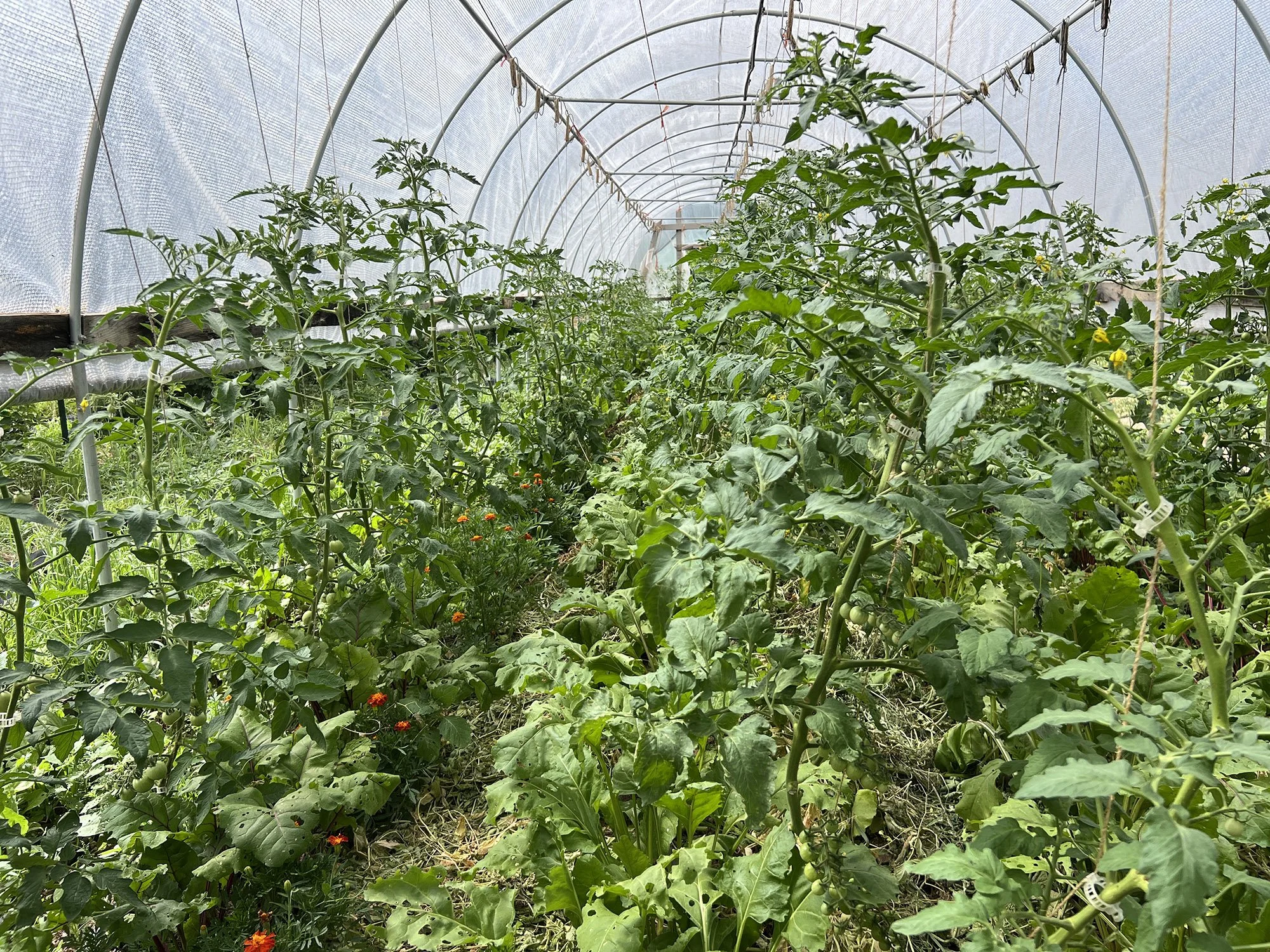
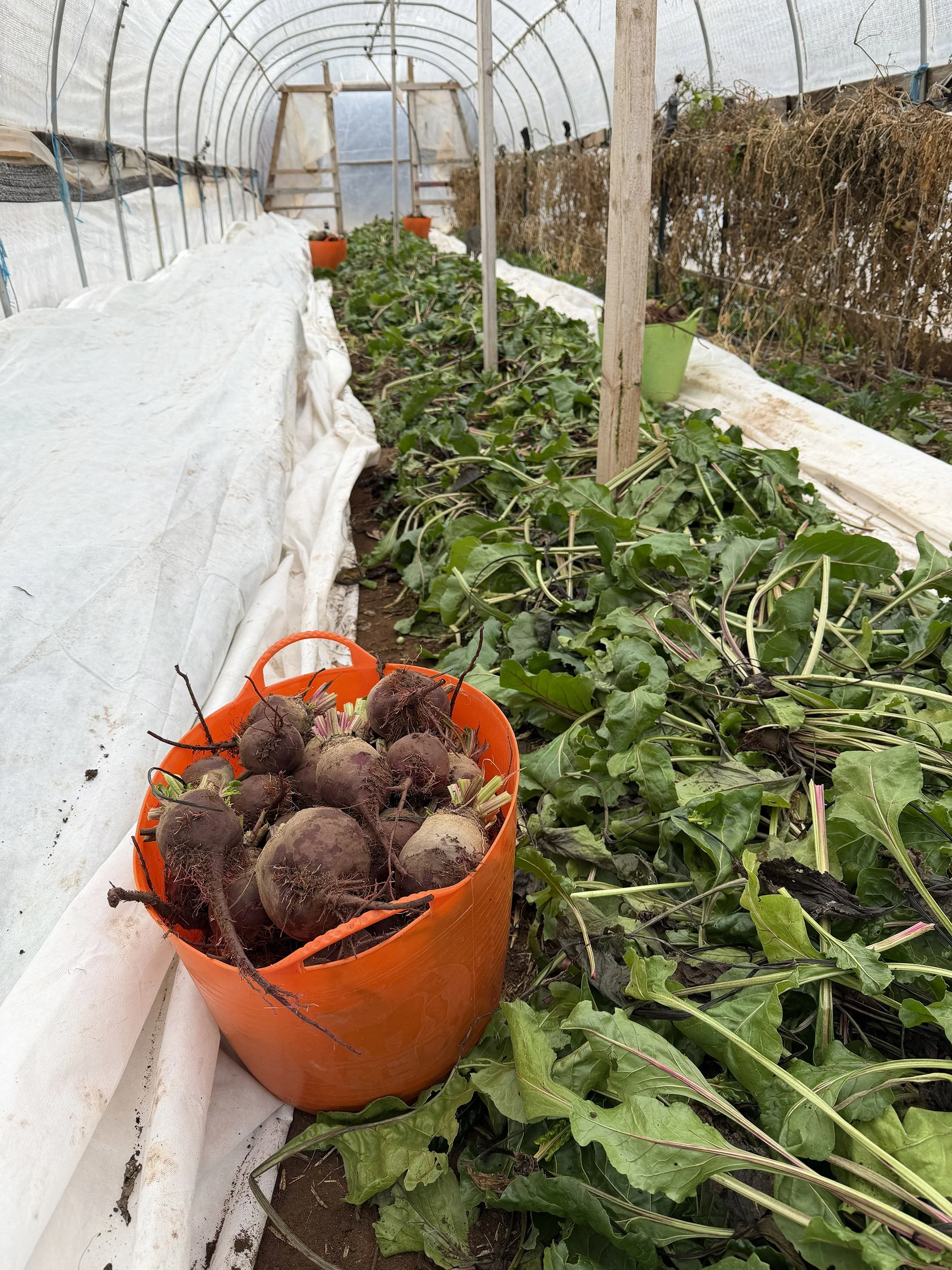
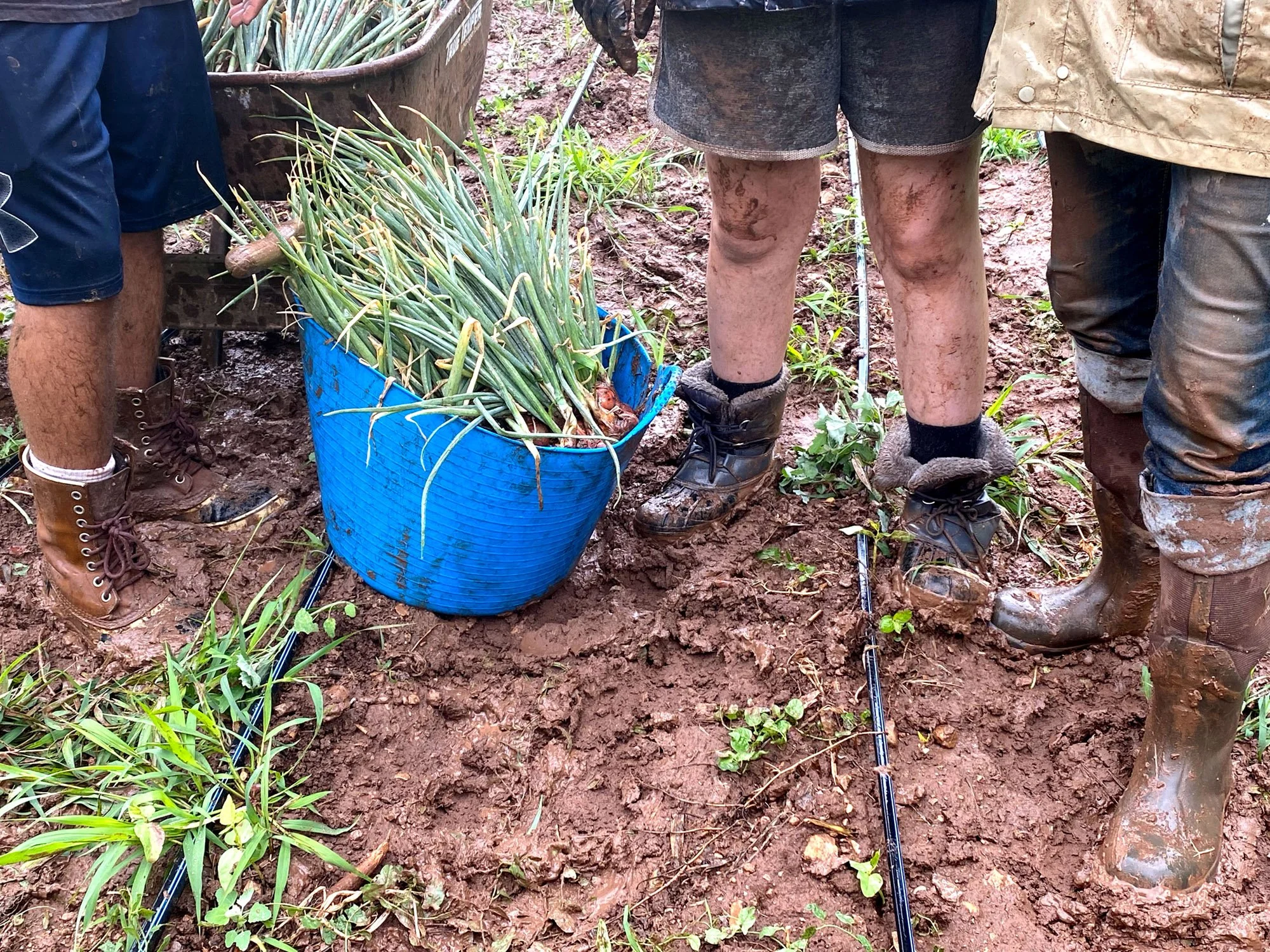
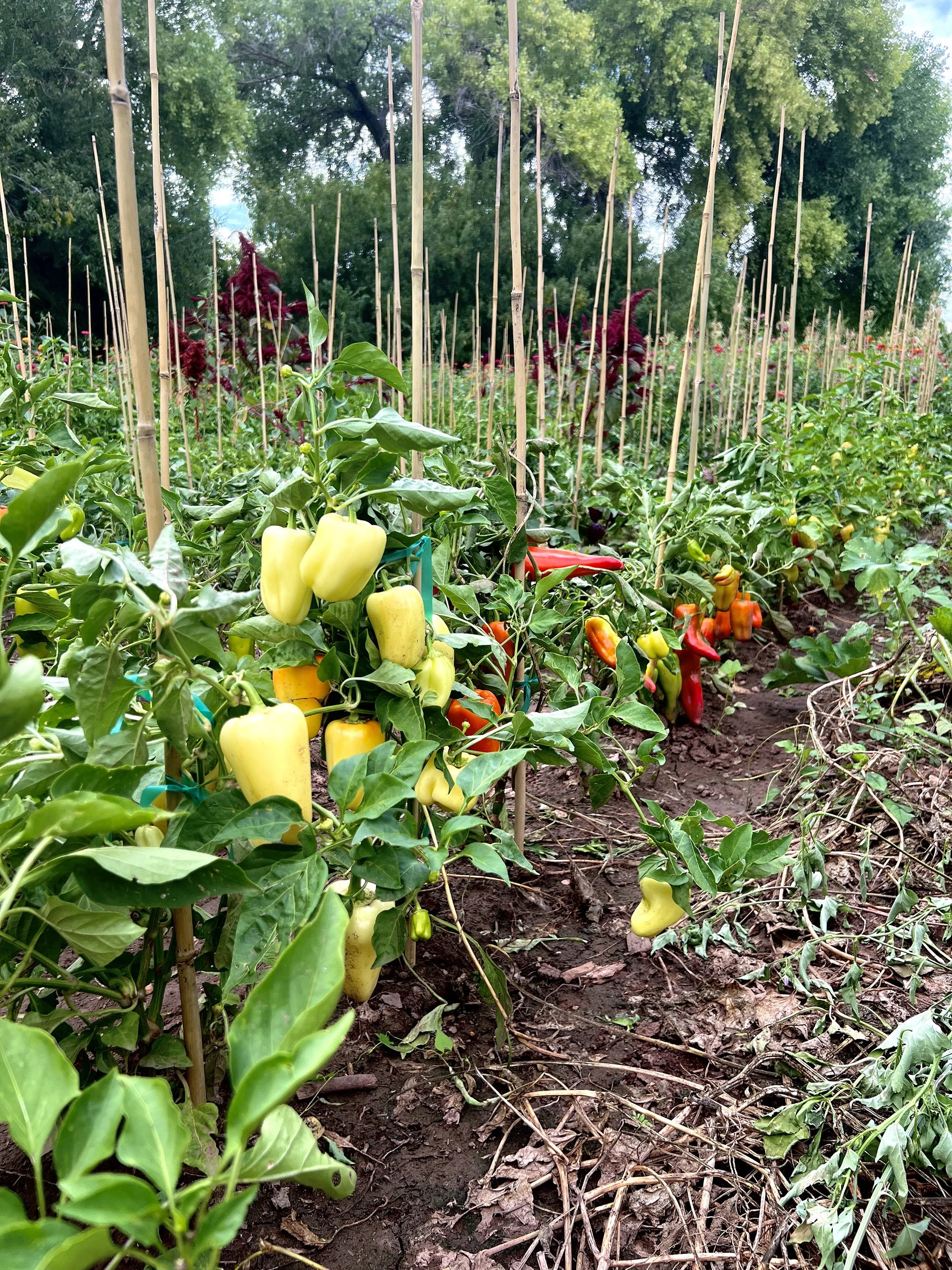
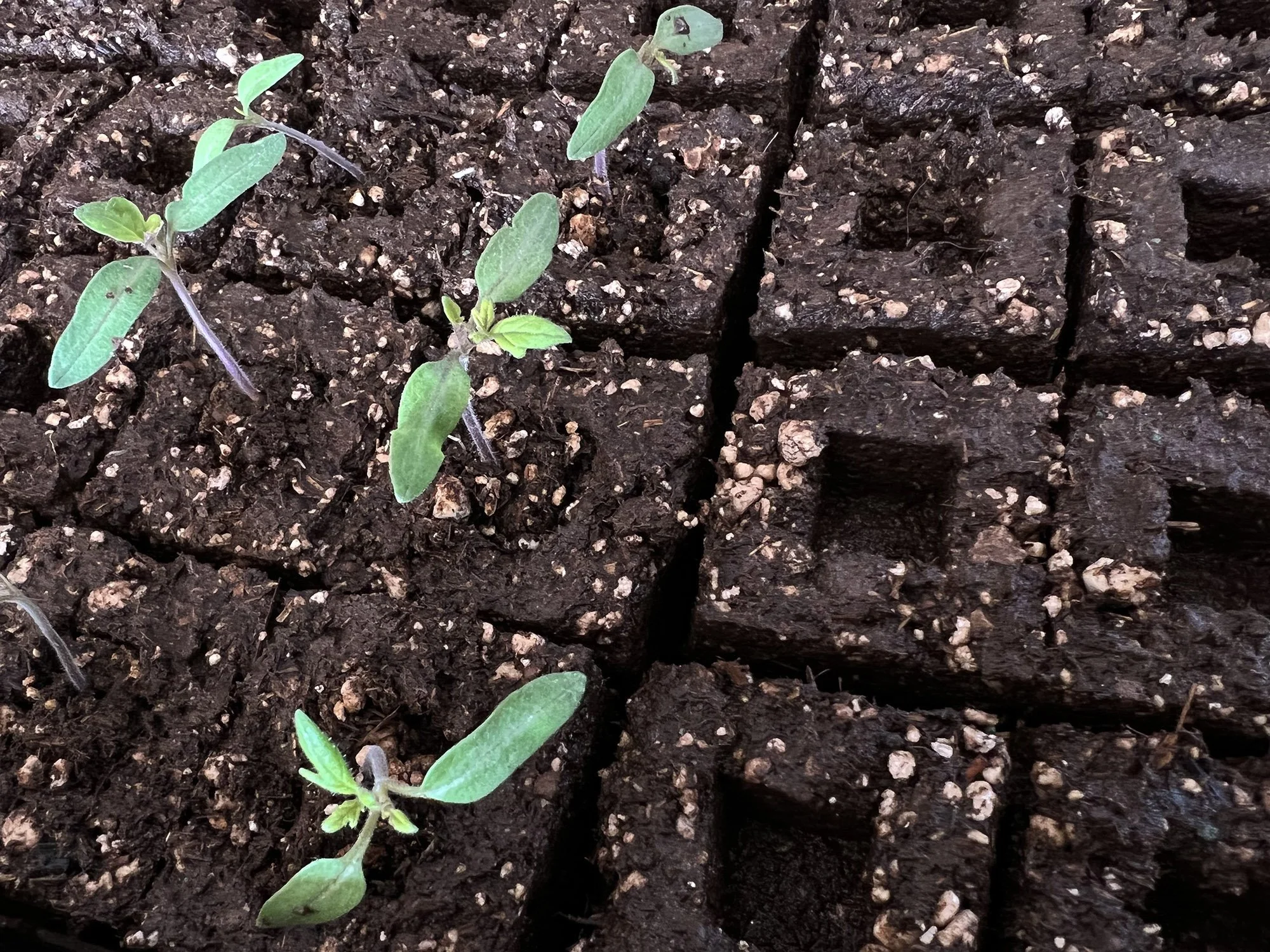
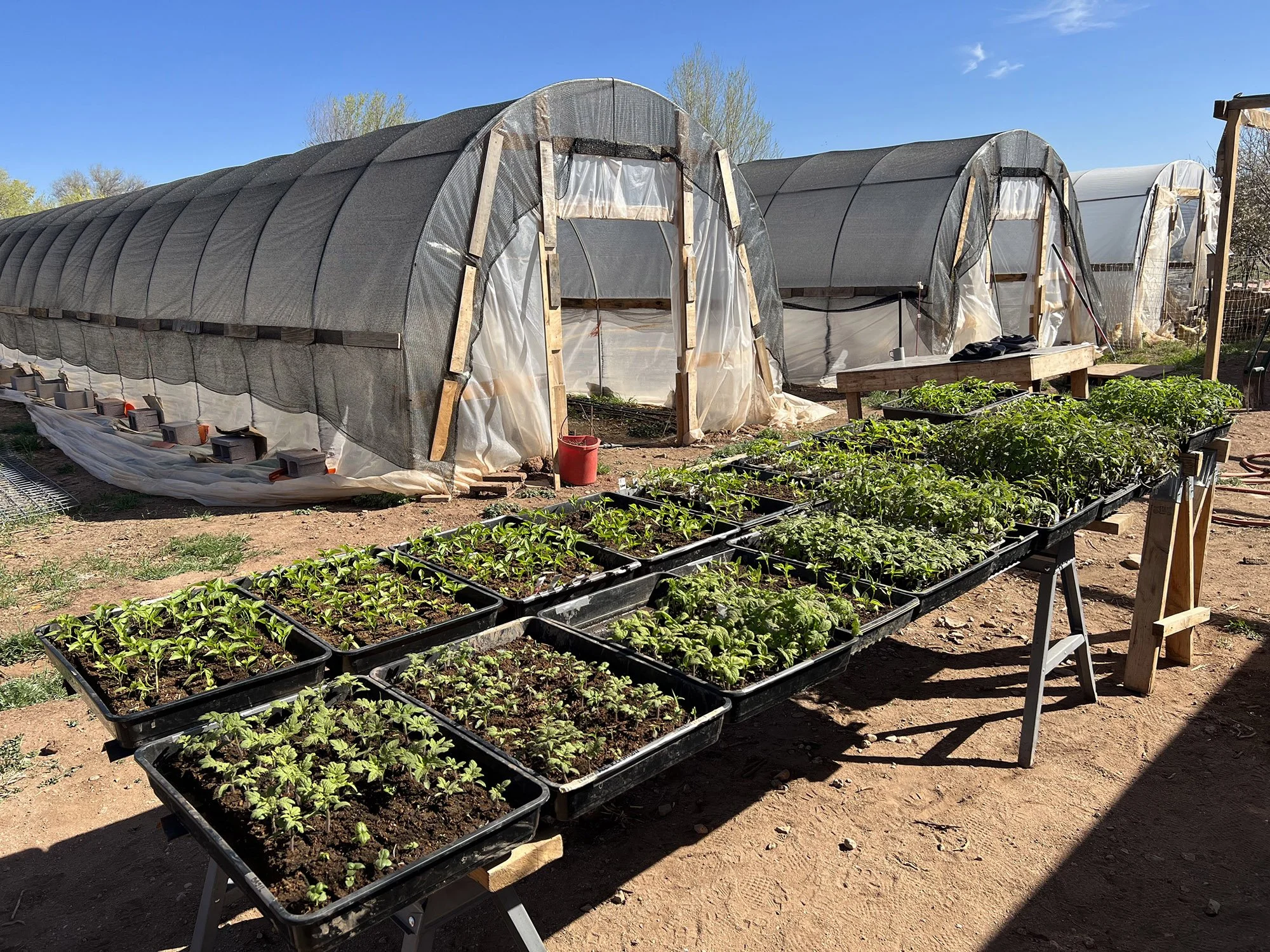
We grow many different vegetables throughout the year in the field and in hoop houses using both drip and acequia irrigation. All of these are open pollinated varieties that we are actively seed saving with to develop adaptive traits successful in our climate.
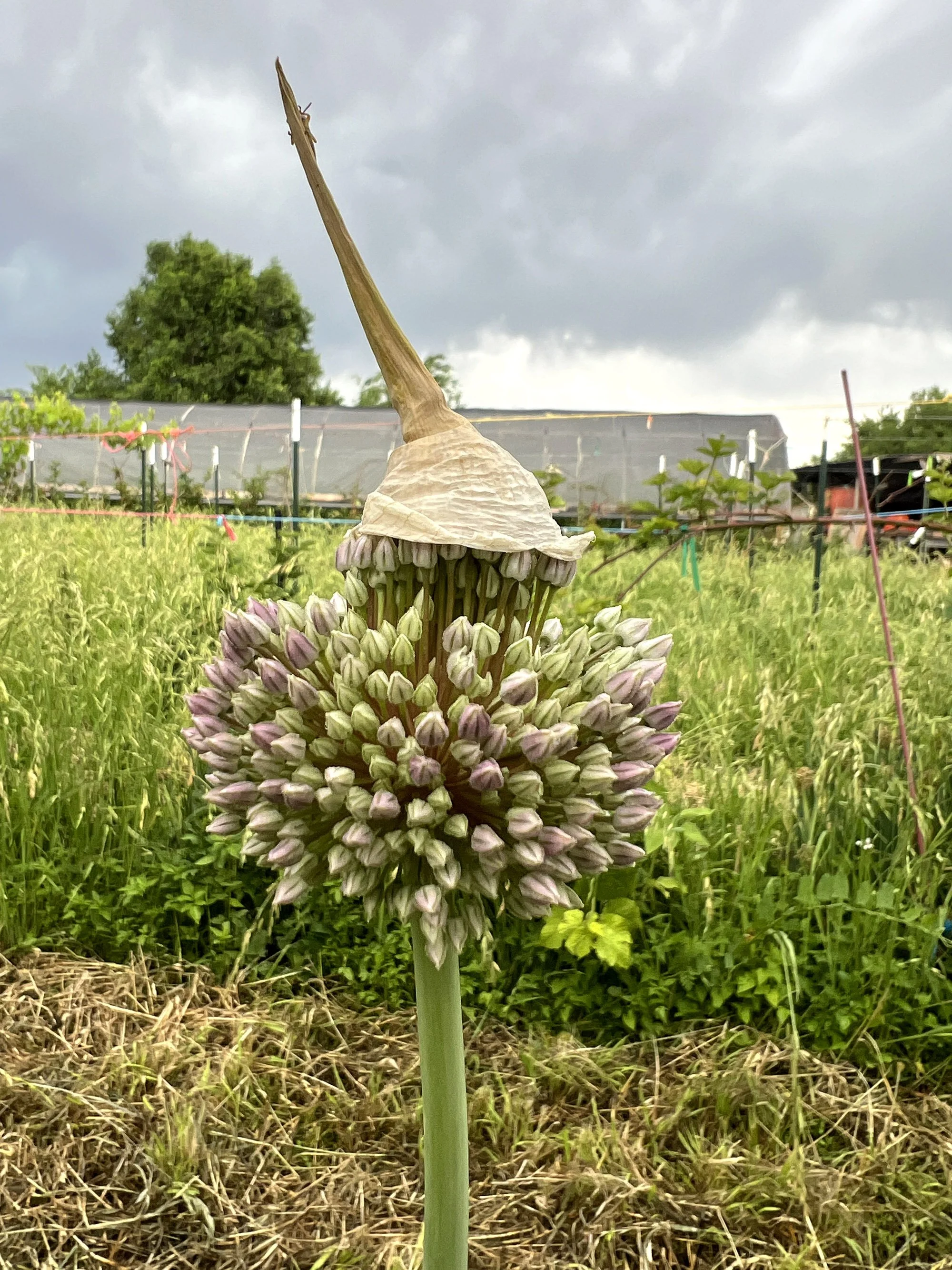
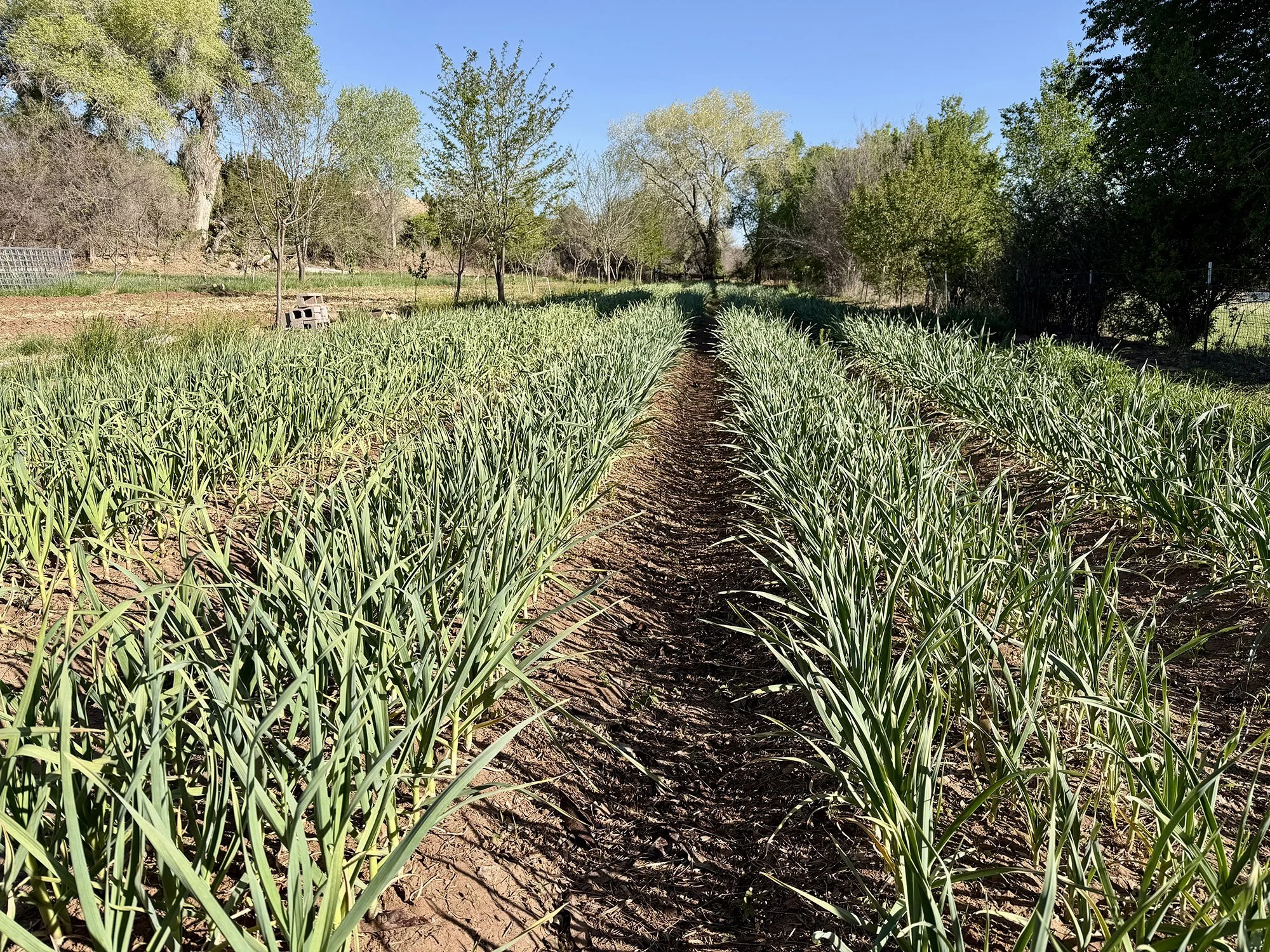
Hardneck, Softneck, and Elephant Garlic
Dutch Red and Yellow Shallots
Tomatoes
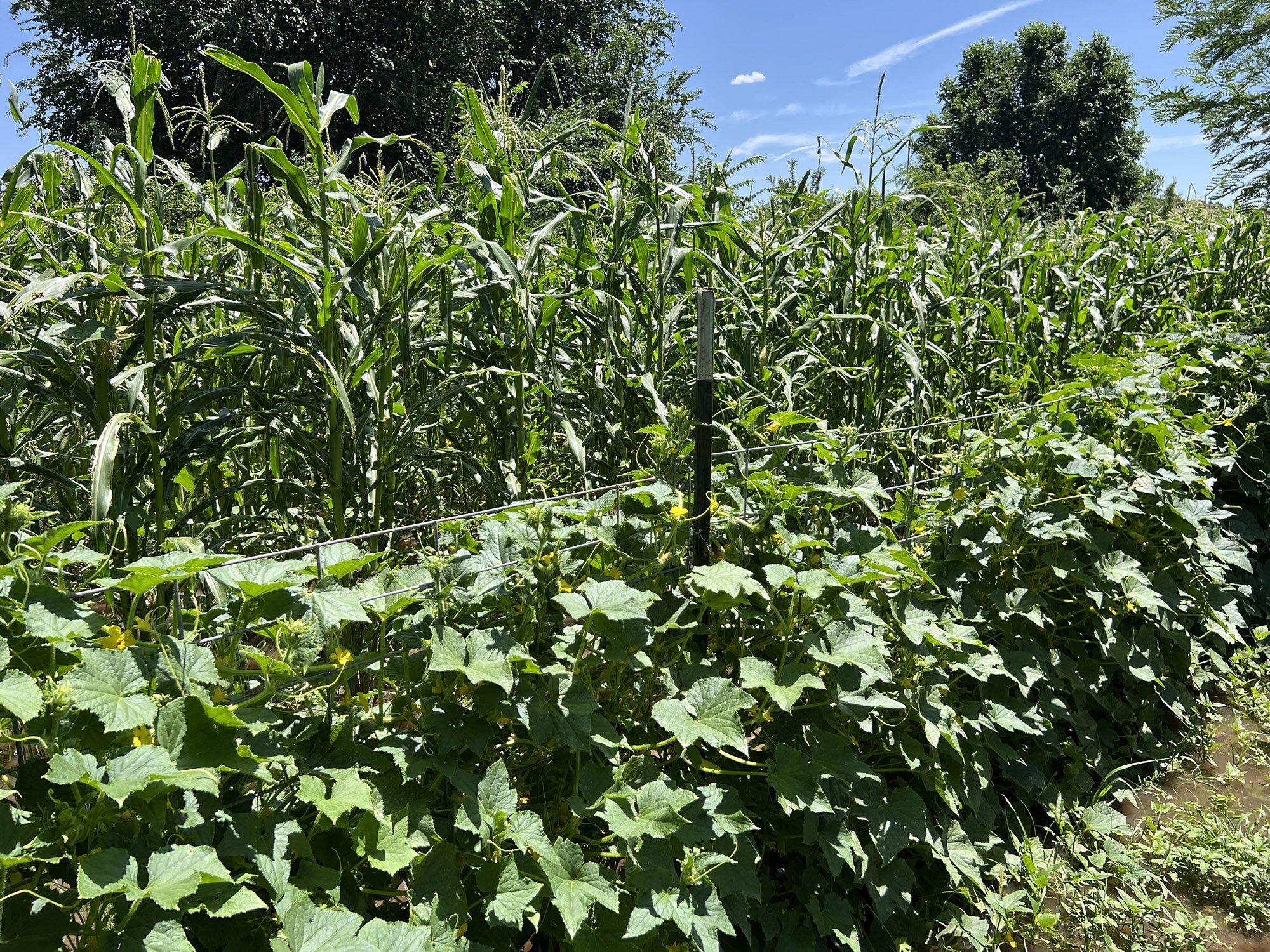
Cucumbers
Calabacitas
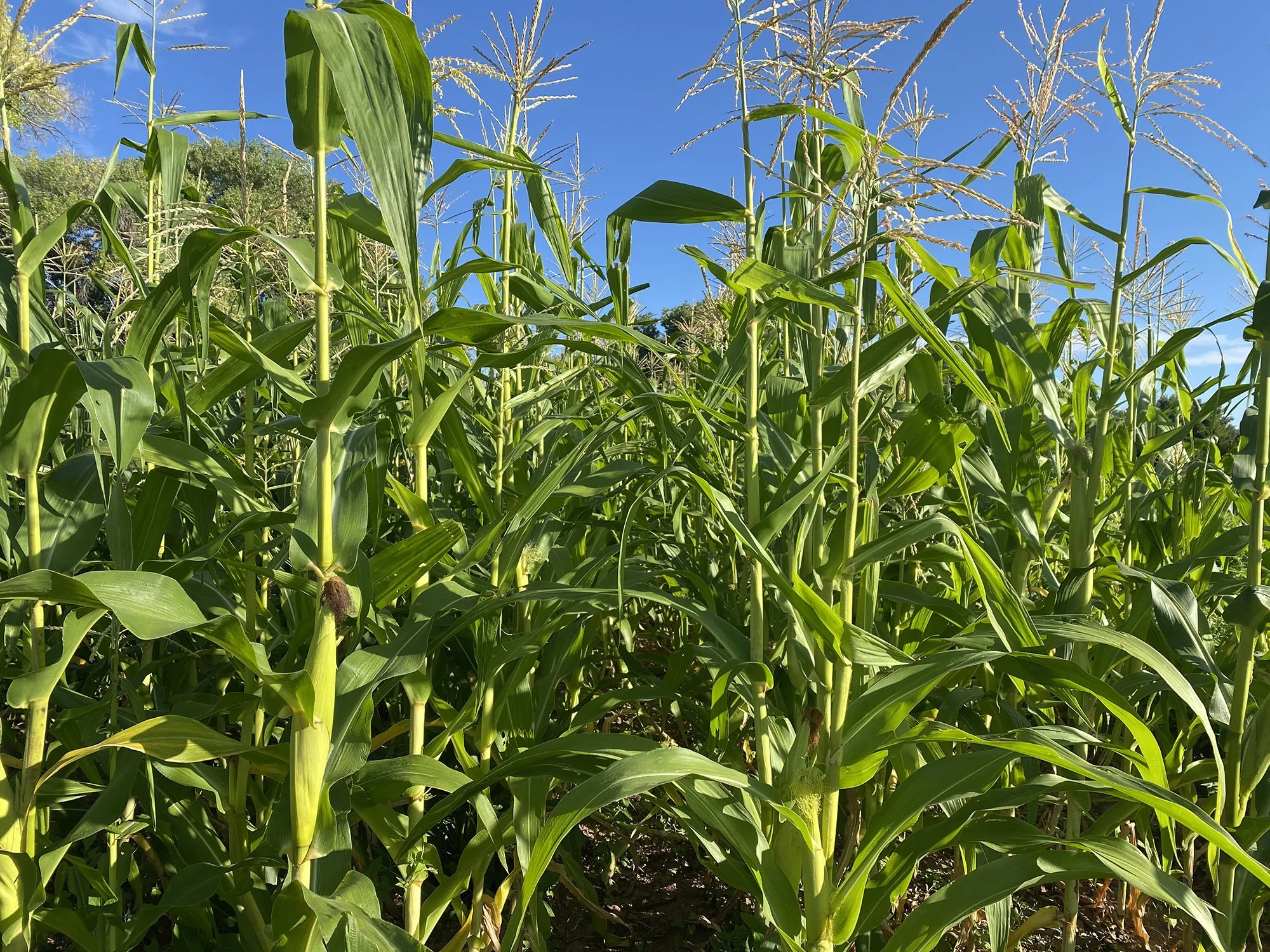
Corn
Okra
Eggplant
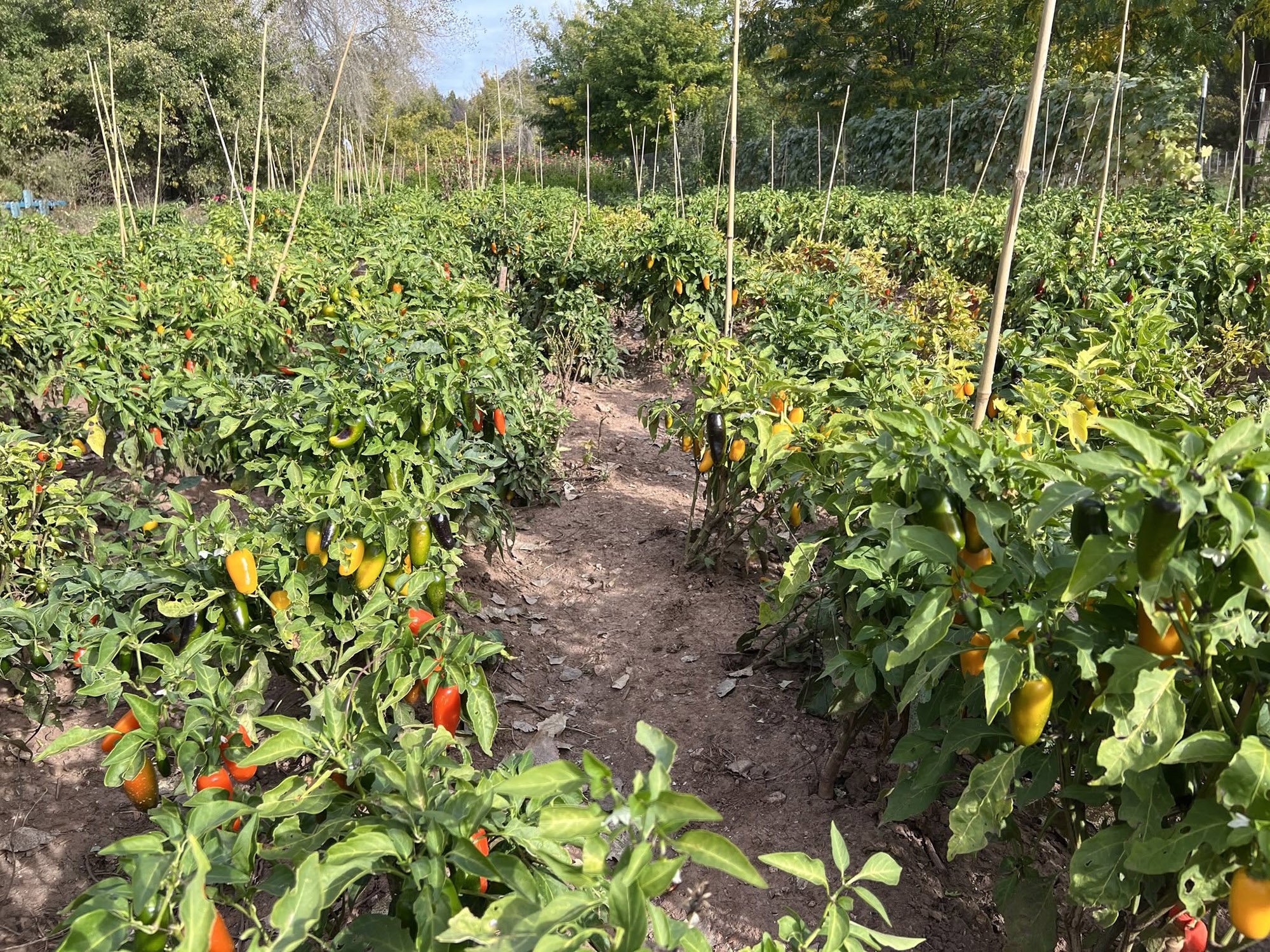
Red and Green Chile
Italian Sweet Peppers
Peas
Beans
Melons
Beets
Chard
Kale and Winter Greens
Winter Squash
Medicinal and Culinary Herbs
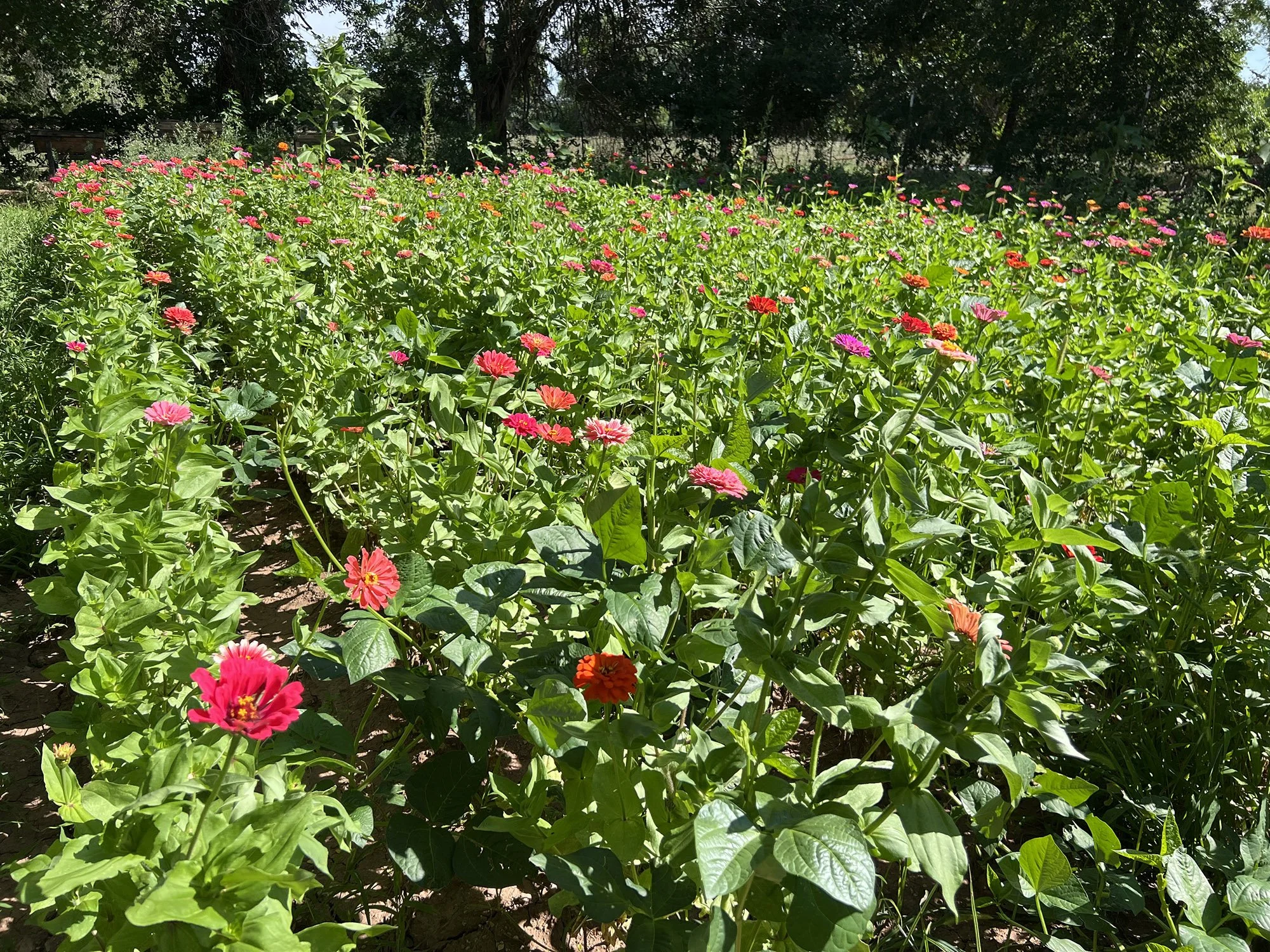
Flowers
-
Growing fruit in our climate zone can be a challenging venture. Late spring frosts, aridity and drought, cold winters and extreme summer sun and heat impact our fruit production every year. This has pushed us to keep trying new varieties, learn how to graft and grow our own, and redesign orchard spaces to create supportive econiches. Here are some of the types we grow:
Apples
Pears
Plums
Quince
Medlars
Jujubes
Sour Cherries
Nanking Cherries
Persimmons
Apricot
Figs
Wolfberries
Blackberries
-
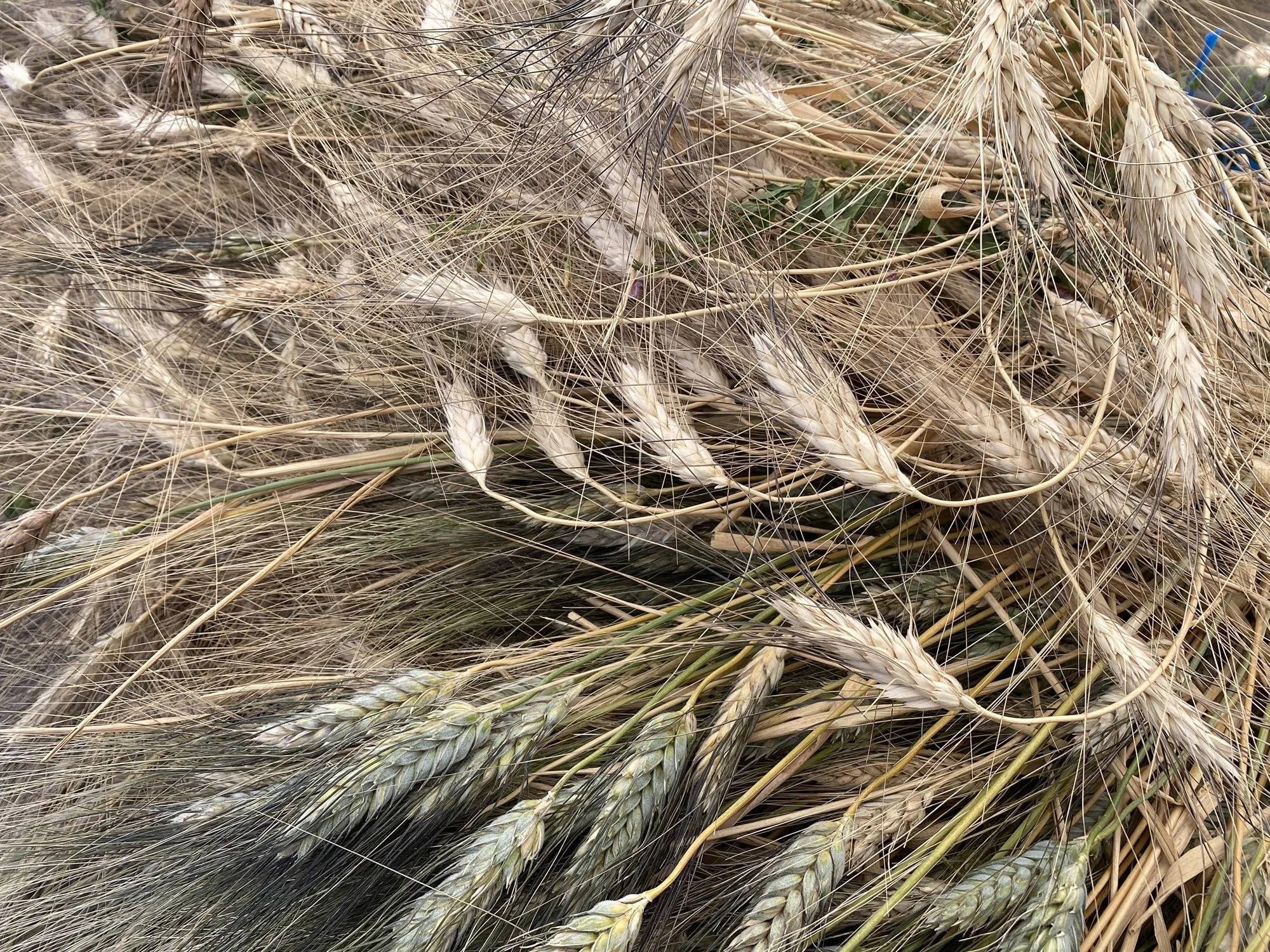
We love to conduct on the farm research of food crops and beneficial plants. We are always aiming to find highly adaptive, drought tolerant, pest resistant, and nutritious crops to feed our community. Here are a few types that we are working with to develop land races of our own through our plant breeding and seed saving program.
Molokhia
Amaranth
Peanuts
African Field Peas
Snow Peas
Sorghum
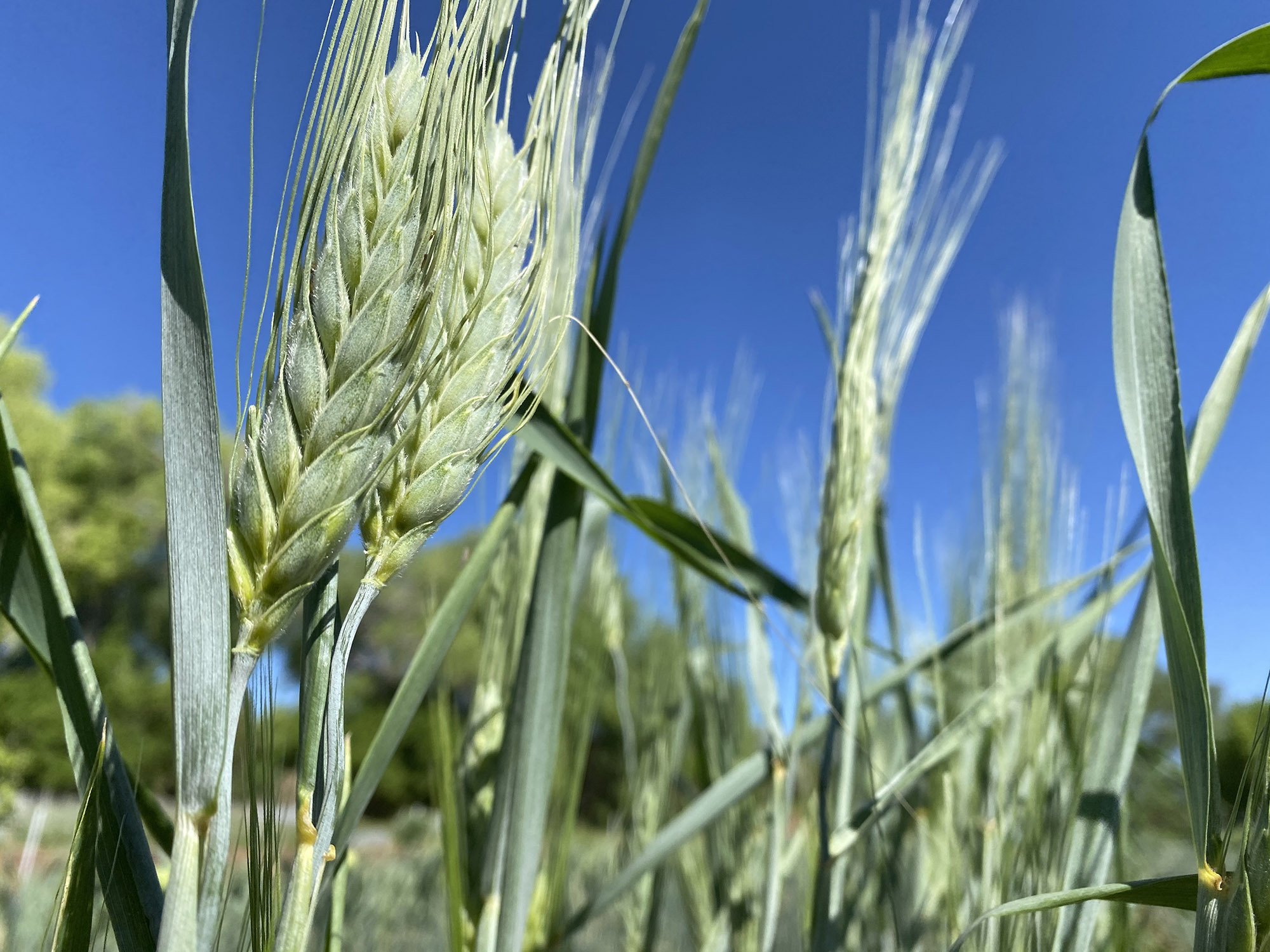
Khorosan Wheat
Tibetan Black Barley
Sonoran Wheat
Fava Beans
Indigo and Other Dye Plants
Pollinator Plants
-
In 2012, we began redesigning our farm with the intention to integrate trees and shrubs into our annual crop fields and pastures as alley rows to create habitat, reduce wind and sun exposure, and increase on the farm production. These include native habitat species, lumber and forage trees, and fruit trees. Since then we have planted hundreds of trees and it has improved the farm’s ecology, livestock and crop production, quality of life, and the surrounding environment.
-
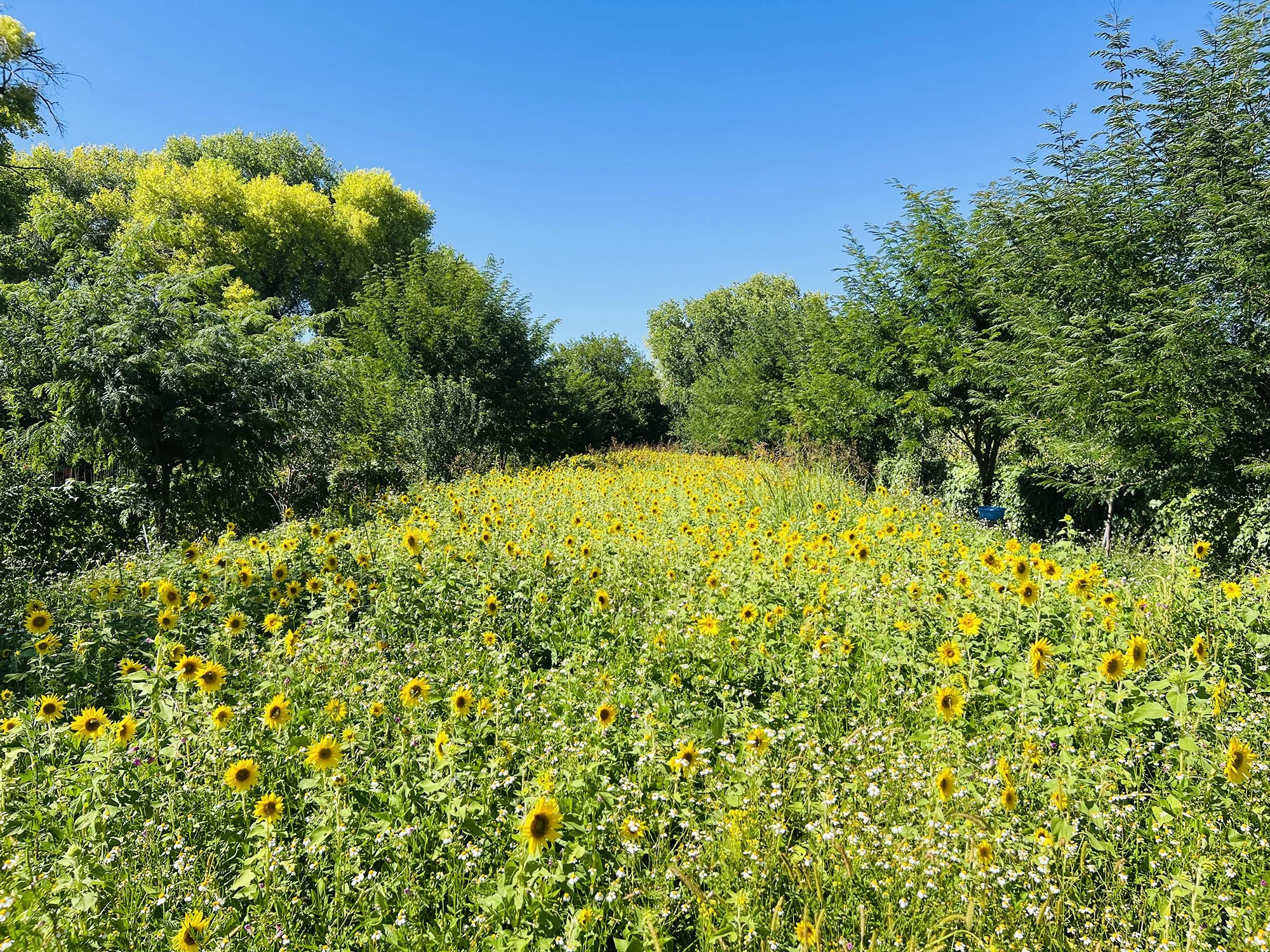
We use green manures and cover crops to protect and build healthy soils throughout the year. In the winter we plant barley and austrian peas and in the summer we plant a mix of sorghum, field peas, lacy phacelia, buckwheat, turnips, and sunflowers. We forage our sheep in these fields and also flail mow residue to create mulch and integrative biomass to feed and protect the soil.
-
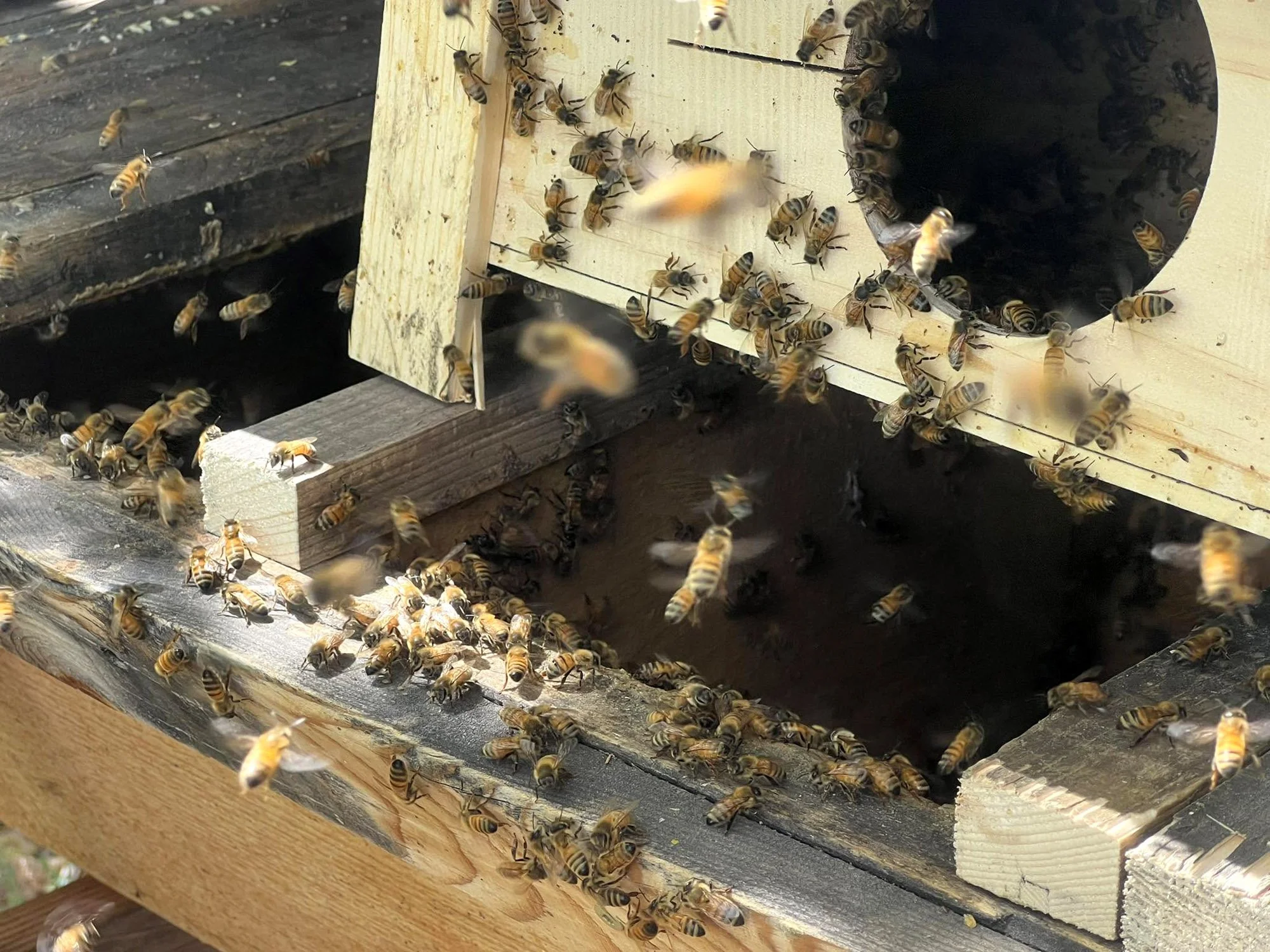
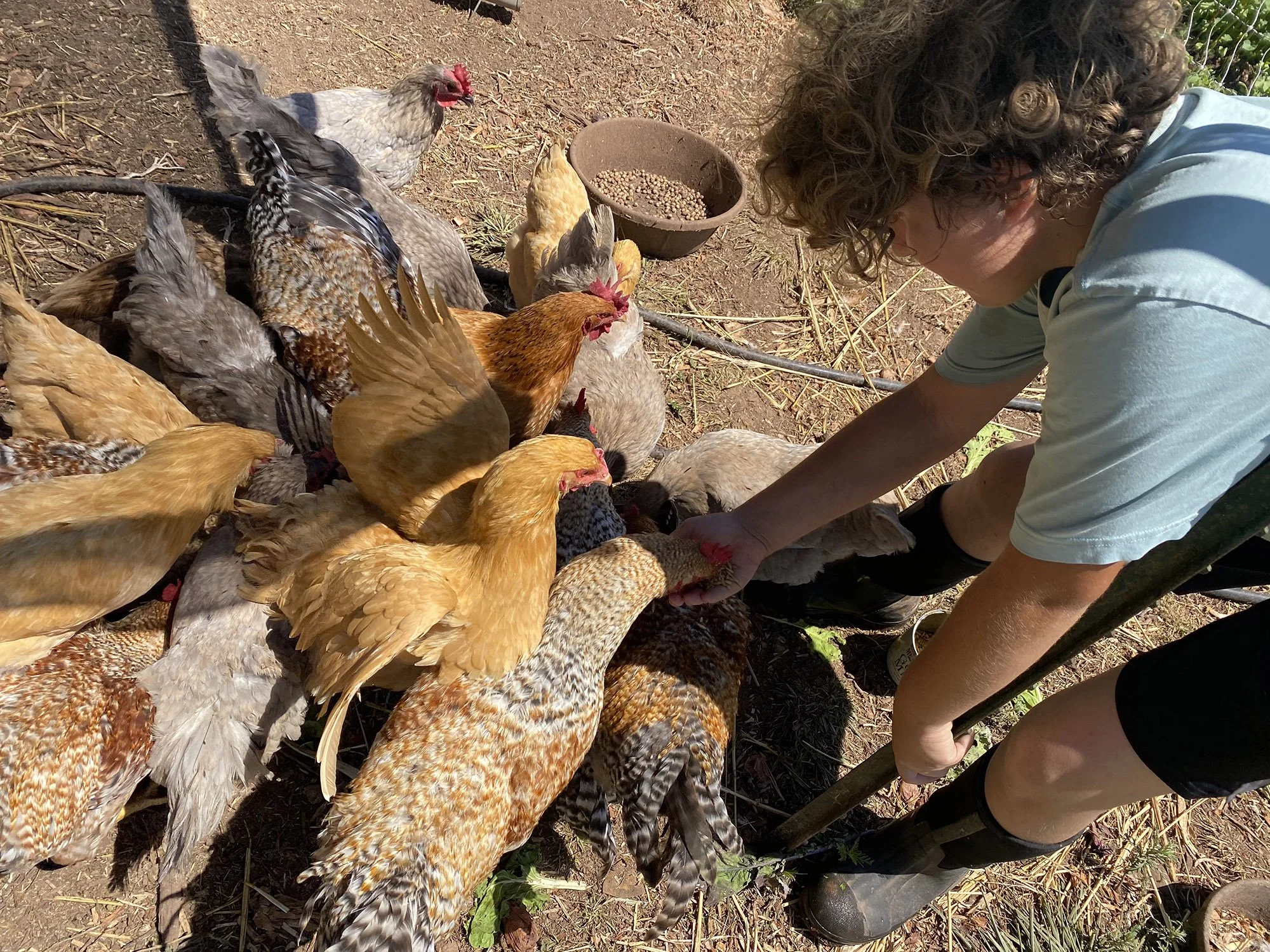
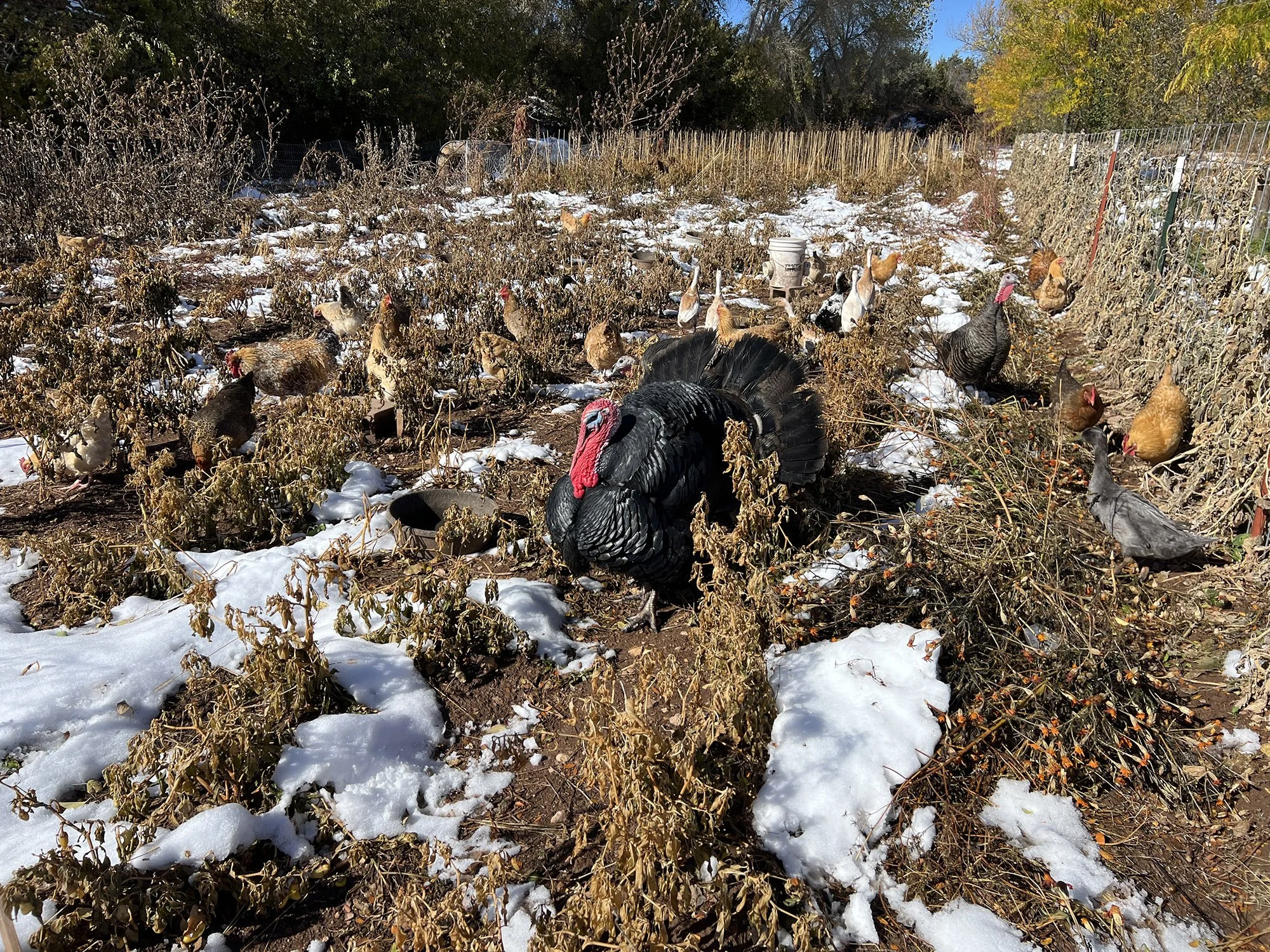
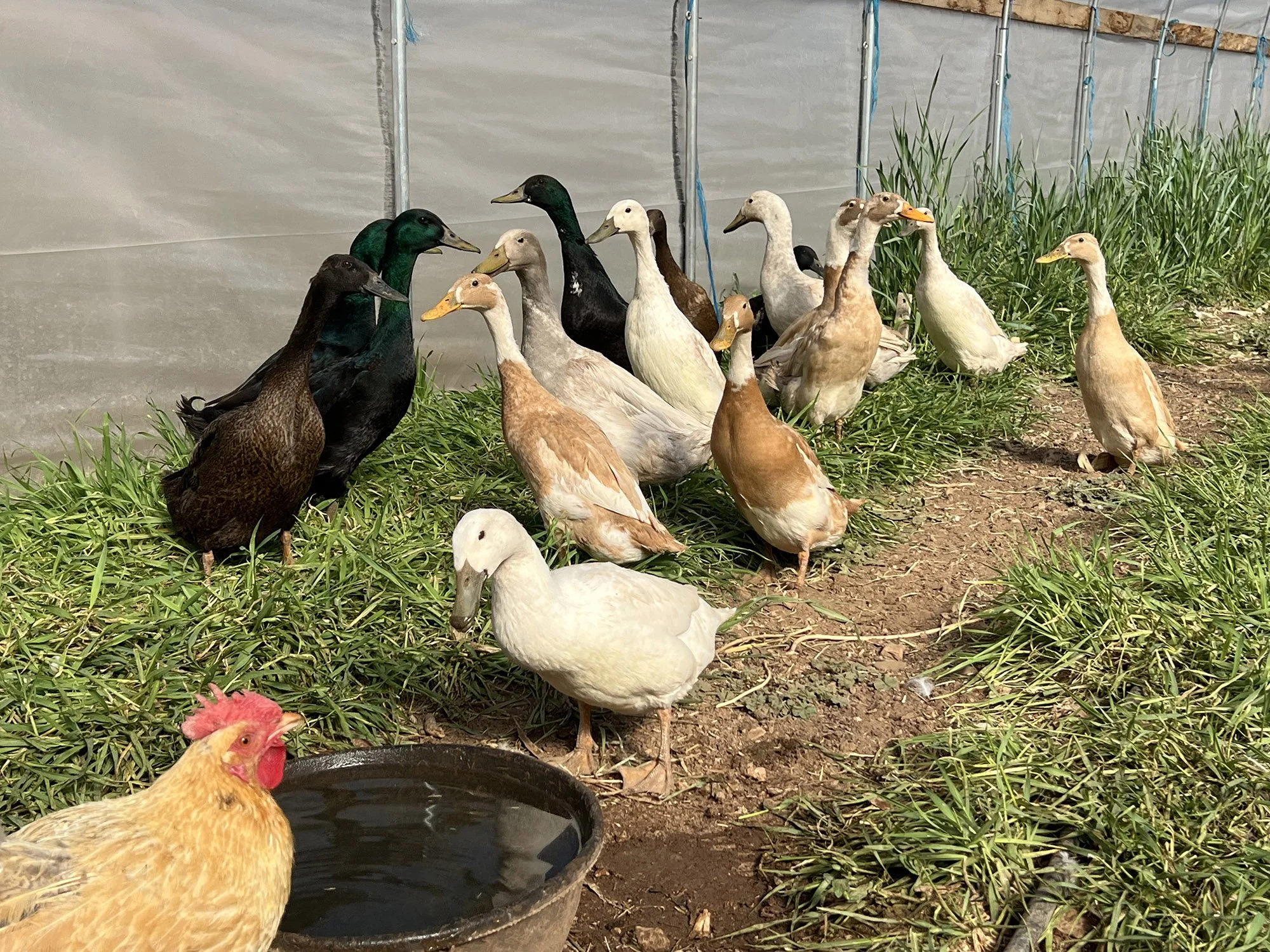
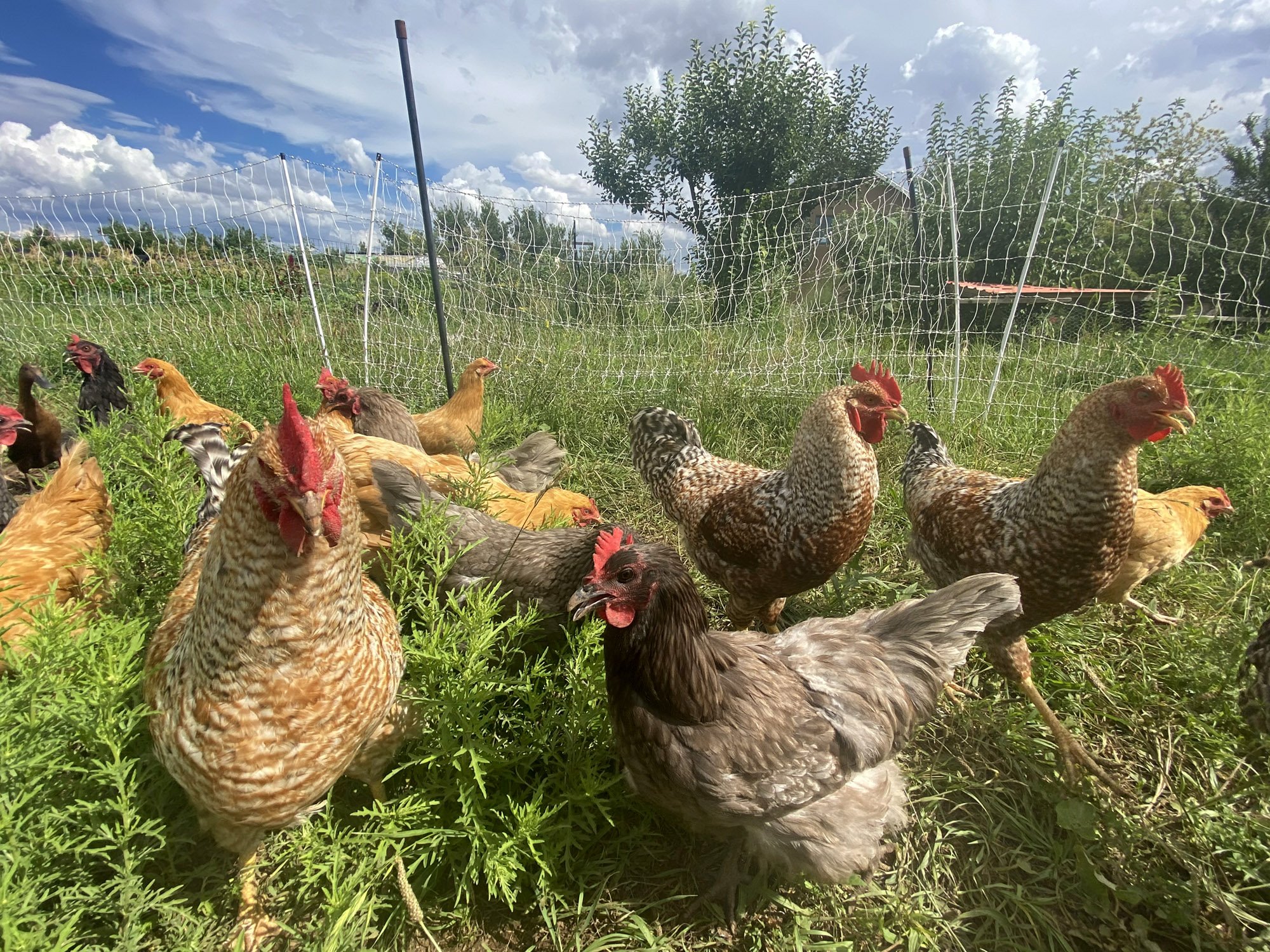
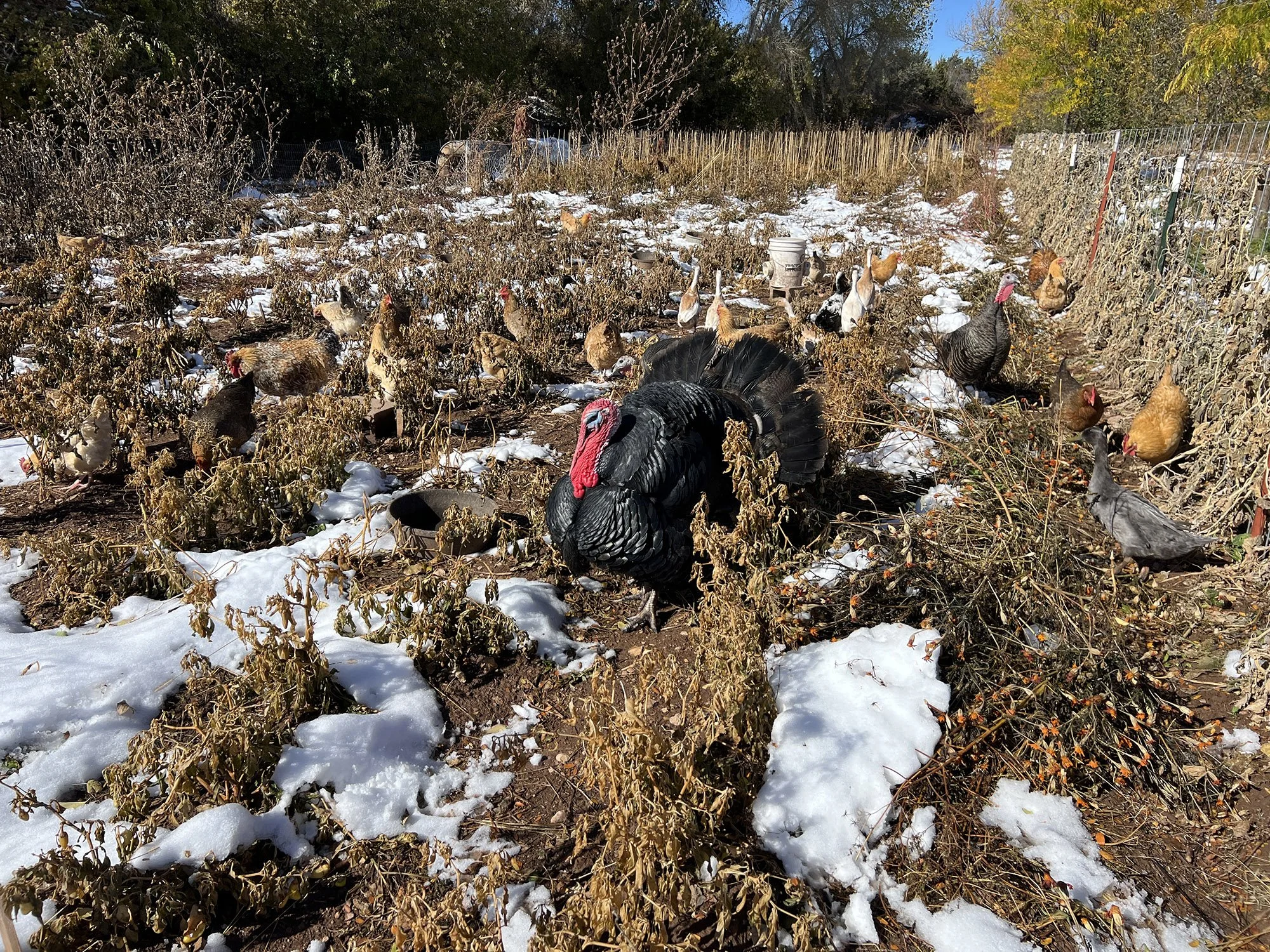
We raise livestock on the farm to produce meat, eggs, honey, milk, and wool. The livestock help out on the farm by cleaning up our fields and crop areas, while fertilizing these areas and reducing pests. We also sell high quality Awassi breeding stock.
Awassi Sheep
Chickens
Runner Ducks
Turkeys
Honey Bees
Agroecology
Agroecology is the science and practice of sustainable agriculture rooted in ecology and social justice. A sustainable and biodiverse food system that supports all life is not only possible, its the only way to ensure food production now and into the future.
Biodiverse and vibrant ecosystems are the basis of resilience and abundance on our farm. We center our work in agroecology weaving diversified food production with arid-land adapted plant breeding and seed saving, soil health, habitat supporting pollinators, birds, and amphibians, integrative livestock, water conservation, passive 4-season growing, small scale hand work and limited fossil fuel inputs, and our core commitment to growing healthy and affordable food for our community.
Education
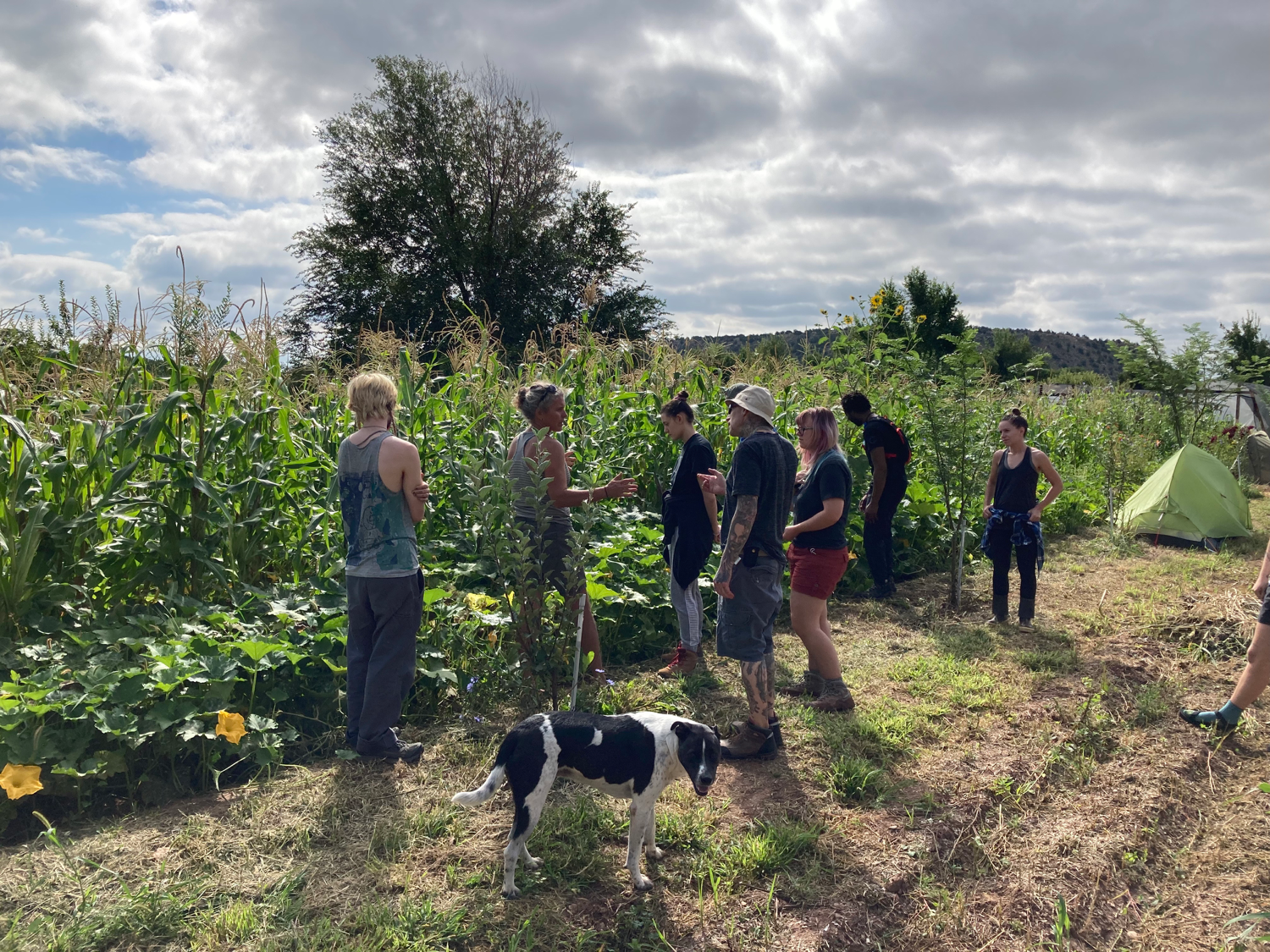
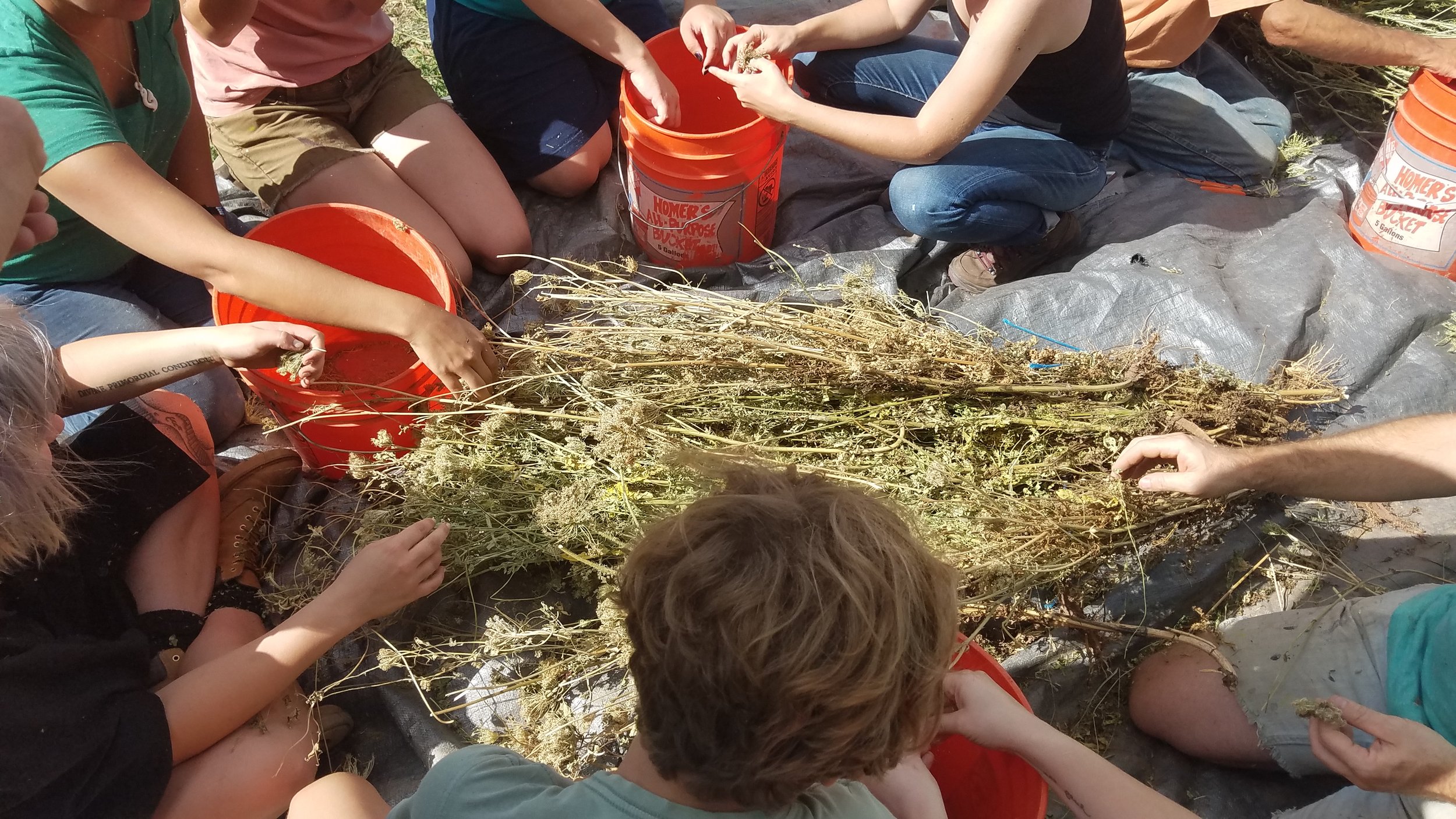
We offer educational opportunities on the farm through internships and custom classes/workshops geared towards schools and organizations. We also have volunteer days and special events with lots of hands-on learning.
We have worked with K-12 schools, universities, and non-profits to host courses in seed saving, agroecology, food justice, and art + ecology. Sign up for our newsletter to keep up with farm news and upcoming events.
Internship
We offer season-long internships through different programs.
Our own live/work internship is 25 hrs/week of work with full room/board. Interns work along side us 5 days a week throughout the season with opportunities to learn about agroecology, market farming, seed saving, sheep and dairy production, poultry, sylvohorticulture and food preservation.
We are full for 2026!
Pre-Apprenticeship
New Mexico Workforce Pre-Apprenticeship is a paid position for New Residents ages 16 and up to work up to 40 hours/week to learn about small scale diversified farming while developing skills to pursue careers in sustainable agriculture. Pre-apprentices work alongside us and independently on basic farm tasks while learning about agroecology, market farming, seed saving, sheep and dairy production, poultry, sylvohorticulture and food preservation. Contact us for more information.